Janeese Lewis George’s D.C. mayoral bid tests DSA endorsement politics amid Israel and antisemitism disputes

A mayoral endorsement process becomes a flashpoint
D.C. Councilmember Janeese Lewis George, a Ward 4 Democrat running for mayor in 2026, has become the center of a widening dispute over how local political endorsements intersect with the Israel–Palestine conflict and allegations of antisemitism. The controversy intensified after questions surrounding her pursuit of support from the Metro D.C. chapter of the Democratic Socialists of America (DSA) drew attention to language about refusing influence from a “Zionist lobby.”
The episode is unfolding in a high-stakes election cycle created by Mayor Muriel Bowser’s decision not to seek a fourth term. With no incumbent on the ballot, the June 16, 2026 Democratic primary is expected to be decisive in a city where Democrats dominate local politics.
What is known about Lewis George’s endorsement effort
Lewis George’s campaign has publicly listed the Metro D.C. DSA among endorsing organizations, alongside labor unions and progressive-aligned groups. The campaign has also highlighted broader institutional support, including labor organizations representing service workers, transit workers, teachers, and hospitality employees.
Separately, a Jewish social-justice political action committee has also endorsed Lewis George, emphasizing alignment on issues such as social, racial, and economic justice. The coexistence of that endorsement with the DSA-related controversy underscores how coalitions in D.C. politics can span constituencies with sharply different views on Israel-related advocacy.
Substance of the dispute: Israel policy, definitions of antisemitism, and political participation
The dispute centers on how candidates address Israel and Gaza-related issues while also navigating domestic concerns about antisemitism. In the DSA endorsement context, Lewis George was reported to have adopted positions that include describing Israel’s actions in Gaza as “genocide,” supporting divestment tied to Israel or Israel-linked entities, and opposing participation in certain Israel-related political travel.
Lewis George was also reported to have criticized the use of the International Holocaust Remembrance Alliance (IHRA) working definition of antisemitism in D.C. legislative action and to have asserted that anti-Zionism and criticism of Israel are not inherently antisemitic. Those positions have drawn condemnation from at least one major Washington-area Jewish community relations organization, which characterized the DSA questionnaire framework as discriminatory toward Jewish and pro-Israel civic participation.
Key issue: Whether anti-Zionist political commitments can be structured in a way that does not discourage engagement with Jewish civic institutions.
Key issue: How antisemitism is defined in public policy settings, and what legal or political weight should be given to working definitions such as IHRA.
Broader campaign context in the 2026 race
Lewis George launched her campaign with a domestic agenda focused on affordability, including proposals connected to universal child care and expanded housing models. The contest is expected to feature sharp contrasts with other declared candidates, including former councilmember Kenyan McDuffie, who has framed his campaign around economic growth and governance issues, including public safety and home rule.
The immediate political impact of the DSA-related dispute is likely to depend on how Democratic primary voters weigh foreign-policy-adjacent advocacy, concerns about antisemitism, and local bread-and-butter issues such as housing costs, public safety, and public services.
With early endorsements and organizing capacity often shaping turnout in low-participation primaries, the endorsement battle highlights a central 2026 reality: in an open-seat race, coalition-building can boost momentum while simultaneously exposing fault lines that opponents and interest groups will press in the months ahead.
Four suspected MS-13 members indicted in 14-year-old Washington teen’s killing; body found in Maryland park
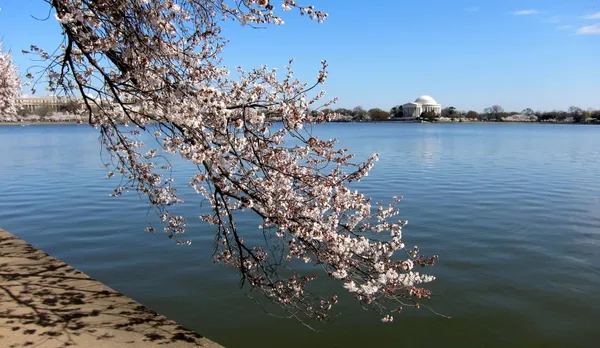
National Cherry Blossom Festival 2026 in Washington: 10 key dates for major events and travel planning
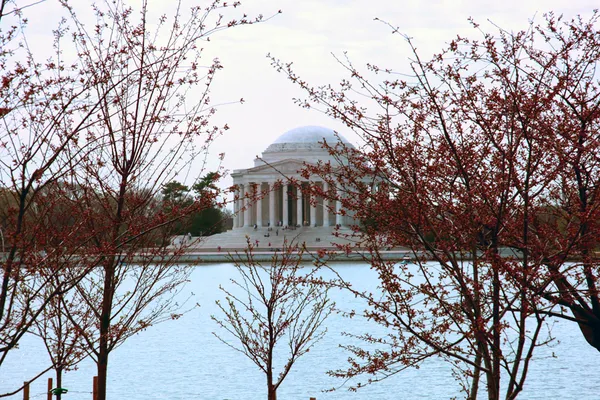
Cold winter temperatures could delay Washington’s Tidal Basin cherry blossom peak bloom into late March window