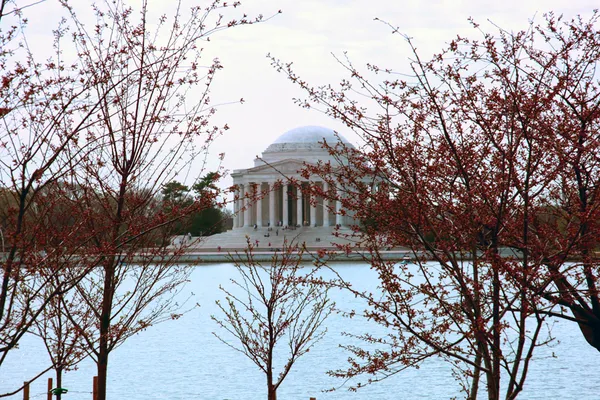
National Cherry Blossom Festival 2026 in Washington: 10 key dates for major events and travel planning
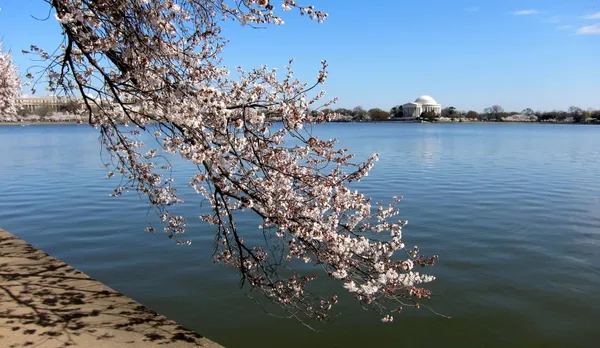
Washington sets core event calendar for the 2026 National Cherry Blossom Festival
The National Cherry Blossom Festival will run from March 20 through April 12, 2026, anchoring a multi-week schedule of cultural programming and large public gatherings across Washington and the surrounding region. The festival commemorates the 1912 gift of cherry trees from Tokyo to Washington and is timed to overlap with the spring bloom period, though bloom timing varies annually based on weather conditions.
In early March 2026, meteorologists and local forecasters have pointed to a later-than-recent-years peak bloom scenario, citing a colder winter pattern. The National Park Service defines “peak bloom” at the Tidal Basin as the date when 70% of the Yoshino blossoms are open and typically issues an official peak-bloom prediction closer to the event, reflecting rapidly changing conditions in the final stretch before flowering.
Ten dates visitors are using to map out the season
The festival’s public calendar is built around recurring signature events, alongside partner programming that expands the footprint beyond the Tidal Basin. The following dates are among the key planning markers for 2026, spanning the opening weekend through the final week of major activities:
March 20, 2026: Opening day of the National Cherry Blossom Festival (festival period begins).
March 21, 2026: Opening Ceremony (a ticketed, staged cultural presentation tied to the festival’s origin story).
March 28, 2026: Blossom Kite Festival on the National Mall (daytime kite and family programming).
April 4, 2026: Petalpalooza (waterfront event featuring an evening fireworks program set to music).
April 11, 2026: National Cherry Blossom Festival Parade along Constitution Avenue (a large-scale procession with performance groups and floats).
April 12, 2026: Final day of the festival period (festival concludes).
Operational realities: bloom uncertainty, crowding, and public-space constraints
While the festival dates are fixed well in advance, the bloom is not. Planning based on “peak bloom” requires flexibility because temperature swings in March can accelerate or delay flowering, and rain and wind can shorten the display even after blossoms open.
Peak bloom is measured at the Tidal Basin when about 70% of Yoshino blossoms are open; the date shifts year to year with weather.
Large event weekends—especially the kite festival, Petalpalooza, and the parade—regularly draw significant attendance, affecting travel times, curb access, and pedestrian flow around the National Mall, the Tidal Basin, and major arterials. Visitors typically balance two separate planning tracks: securing travel and lodging around fixed signature-event dates while keeping day-by-day sightseeing plans adaptable as peak-bloom forecasts tighten closer to the expected bloom window.
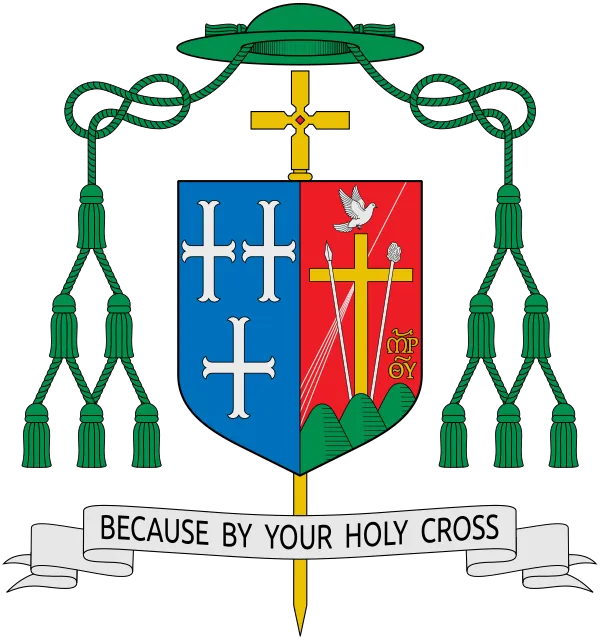
Providence Bishop Bruce Lewandowski leads Capitol Hill pilgrimage urging Congress to advance immigration reform proposals
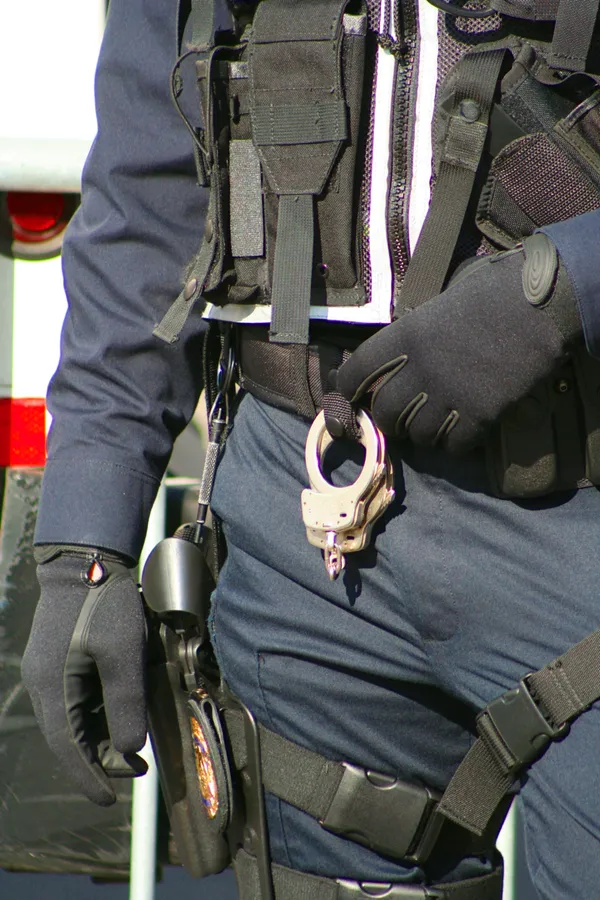
Capitol Police and protester treated for injuries after disruption of Senate Armed Services hearing in Washington
Four suspected MS-13 members indicted in 14-year-old Washington teen’s killing; body found in Maryland park