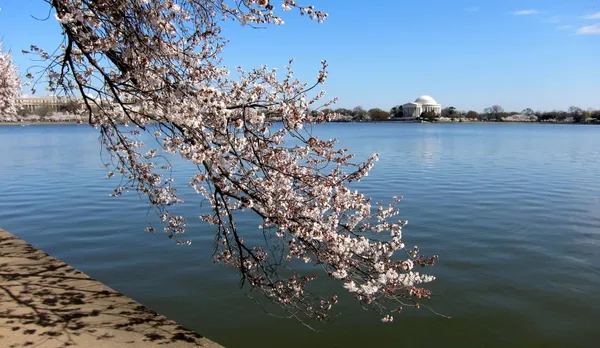
Cold winter temperatures could delay Washington’s Tidal Basin cherry blossom peak bloom into late March window
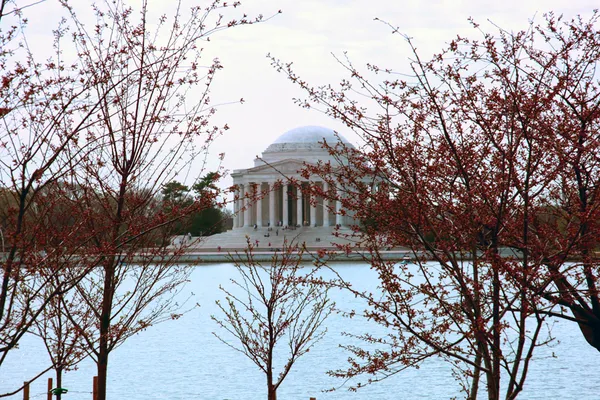
A slower start to bud development is reshaping early spring expectations in the nation’s capital
Washington’s iconic cherry blossoms are tracking later than in many recent springs after an extended period of colder-than-normal weather slowed the trees’ early development. The shift is prompting forecasters and event planners to prepare for the possibility that peak bloom—when the trees’ display is at its fullest—could land on one of the latest dates seen in several years.
Peak bloom is a specific benchmark used for the Yoshino cherry trees around the Tidal Basin: it is defined as the day when 70% of the Yoshino blossoms are open. Because that threshold depends heavily on late-winter and early-spring temperatures, even small swings in March weather can move the date by days or more.
Why cold weather matters in the final stretch
Cherry trees progress through a set sequence of bud stages before flowering. When temperatures remain low for long periods, that development tends to slow, reducing the likelihood of an unusually early bloom. Once buds advance into later stages, a late frost can still damage blossoms and reduce the intensity of the display, adding another layer of uncertainty for timing and overall conditions.
National Park Service horticulturists monitor the trees’ day-to-day progression and update the season’s tracking as the buds move through key stages such as “puffy white,” a sign that peak bloom may be approaching.
Recent history shows how variable the peak date can be
In the past few years, peak bloom has often arrived in March. Official tracking shows peak bloom occurred on March 17 in 2024 and March 28 in 2025. By contrast, in 2018 the peak arrived on April 5, illustrating how colder seasons can push the display later into spring.
The historical record also includes significantly later outcomes. The latest peak bloom date on record is April 18, set in 1958 during an exceptionally cold year.
Implications for visitors and the 2026 festival calendar
The National Cherry Blossom Festival is scheduled for March 20 through April 12, 2026, with major events including the Opening Ceremony on March 21, the Blossom Kite Festival on March 28, Petalpalooza on April 4, and the parade on April 11. A later peak bloom could increase the chance that the most photogenic period aligns with a larger portion of the festival period, though actual viewing conditions will still depend on wind, rain, and temperature patterns once the blossoms open.
Peak bloom is determined by a 70% open-blossom threshold for Yoshino cherries.
Cold late-winter weather tends to delay bud development, shifting peak bloom later.
Recent peaks: March 17, 2024; March 28, 2025. Later peaks have occurred, including April 5 in 2018.
Forecast confidence improves close to bloom, as peak timing can be difficult to project more than about 10 days in advance.
For residents and travelers, the most reliable indicator in the coming weeks will be the observed pace of bud-stage changes at the Tidal Basin, coupled with short-range temperature forecasts as March progresses.
Providence Bishop Bruce Lewandowski leads Capitol Hill pilgrimage urging Congress to advance immigration reform proposals
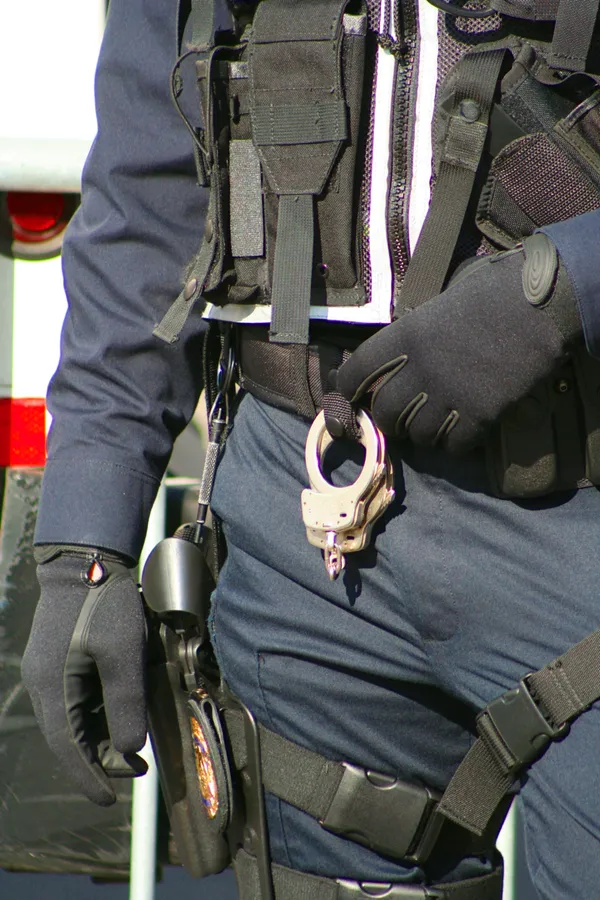
Capitol Police and protester treated for injuries after disruption of Senate Armed Services hearing in Washington
Four suspected MS-13 members indicted in 14-year-old Washington teen’s killing; body found in Maryland park