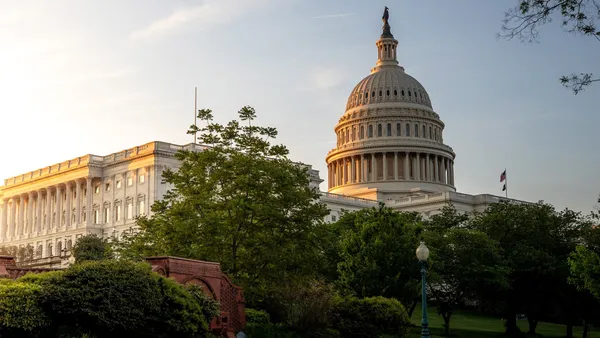
Federal judge denies bid to halt Trump’s $400 million White House ballroom as lawsuit shifts
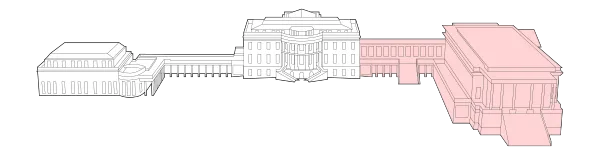
Injunction request denied, but court signals different legal path could be viable
A federal judge in Washington on Feb. 26, 2026, refused to temporarily block construction of a new $400 million ballroom at the White House, a project that has already included demolition of the East Wing. The decision leaves the administration free to continue work in the near term, while setting the stage for additional litigation focused on the president’s statutory authority and the role of Congress.
U.S. District Judge Richard Leon ruled that the National Trust for Historic Preservation, which sued to pause the project, was unlikely to succeed under the legal theories presented in its request for emergency relief. The judge indicated the group may have a stronger chance if it amends its complaint to more directly test the statutory basis the administration is using to proceed with a privately funded construction effort on the White House complex.
What the project entails and why it is contested
The ballroom plan has been described by administration officials as a 90,000-square-foot addition designed to host up to 999 guests. The White House has said the project will be funded through private donations, including from President Donald Trump, rather than through an appropriation from Congress. The administration has also argued that past presidents have undertaken substantial renovations without separate congressional authorization for each change.
The lawsuit seeks to stop or delay the project until it receives a set of reviews and approvals typically associated with major federal construction in the nation’s capital. The plaintiffs argue that proceeding without those steps undermines legal protections and oversight mechanisms that apply to significant work affecting prominent public properties and historic resources.
Oversight timeline: review bodies are involved, but after early work began
The dispute has unfolded as two federal design and planning bodies consider the project. The Commission of Fine Arts has voted to approve the ballroom proposal. The National Capital Planning Commission is scheduled to take the project up at a March 5, 2026 meeting, and a public comment period has been tied to that review.
In court filings and hearings, the administration has maintained that the case is not yet ripe for the sweeping relief sought by the preservation group, pointing to evolving plans and the sequencing of approvals. The plaintiffs, meanwhile, have argued that early construction activity—particularly demolition and site preparation—can effectively lock in design and engineering decisions before full public and interagency review is complete.
What the ruling does—and does not—decide
Judge Leon’s order did not resolve the ultimate legality of the ballroom project. Instead, it denied the request for a preliminary injunction largely on procedural and jurisdictional grounds tied to how the claims were framed, including questions about which entities and actions are reviewable under the Administrative Procedure Act and what constitutional theories can be pursued by a nonprofit plaintiff.
The court’s decision leaves open the possibility of renewed litigation if the complaint is amended to focus on whether the president exceeded statutory authority by moving ahead without congressional approval while relying on private funding.
What comes next
- The preservation group is expected to amend its lawsuit to pursue a more direct statutory challenge.
- Federal design and planning review will continue, including the National Capital Planning Commission’s March 5 meeting.
- Further court action could follow quickly if a revised complaint is filed and a new request for emergency relief is made.
Four suspected MS-13 members indicted in 14-year-old Washington teen’s killing; body found in Maryland park
National Cherry Blossom Festival 2026 in Washington: 10 key dates for major events and travel planning
Cold winter temperatures could delay Washington’s Tidal Basin cherry blossom peak bloom into late March window