DC Water finds large boulder blockage behind Potomac Interceptor failure, extending cleanup and repair timeline
Rock dam discovered during inspection complicates response
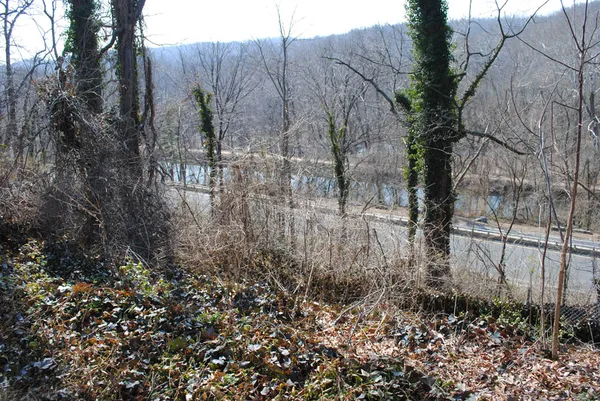
DC Water says a major blockage of large rocks and boulders inside the Potomac Interceptor contributed to the ongoing sewage spill into the Potomac River and is reshaping the repair timeline for the damaged pipeline. The obstruction was identified during an overnight closed-circuit television inspection of the interceptor in early February, after a section of the sewer line collapsed on January 19, 2026, in Montgomery County along Clara Barton Parkway near the I-495 interchange and the C&O Canal National Historical Park.
DC Water described the obstruction as a “rock dam” extending roughly 30 feet downstream from the original failure point. The utility said the discovery required a reassessment of the work plan because standard pipeline cleaning methods—such as industrial vacuuming and high-pressure jetting—cannot remove boulders of the size found inside the line.
How the collapse and spill unfolded
The Potomac Interceptor is a major conveyance line that carries tens of millions of gallons of wastewater daily to the Blue Plains Advanced Wastewater Treatment Plant in Southwest Washington. Following the collapse, DC Water built and activated a bypass pumping system on January 24 to reroute wastewater around the damaged section. The bypass uses powerful pumps and the C&O Canal to move flow back into the sewer system downstream, a measure intended to reduce overflows while emergency work continues at the collapse site.
DC Water has said the initial failure released extremely large volumes of untreated wastewater into the Potomac River during the early days of the incident. The utility has also stated that the region’s drinking water supply was not impacted, while urging caution for recreational contact with affected waters as monitoring continues.
What DC Water says caused the boulder blockage
DC Water’s working explanation is that the large rocks were likely excavated during the interceptor’s original construction in the 1960s and used as backfill above or around the pipe. When the line failed, material around the pipe eroded into the opening and was drawn into the interceptor by wastewater flow, accumulating into a dam-like blockage. The utility also said additional soil and rock entered the pipe as the surrounding ground continued to erode into the sinkhole created by the collapse.
- Blockage size: approximately 30 feet of rock accumulation downstream of the failure point.
- Operational impact: limits the ability to fully isolate, clean, and repair the damaged pipe section.
- Work complexity: requires manual entry, specialized rigging, and heavy equipment to remove individual boulders.
Repair timeline, removal work, and current status
After the blockage was identified, DC Water projected an additional 4 to 6 weeks to install a more robust pumping setup, stabilize the work zone, and mobilize equipment capable of removing large rocks safely. Subsequent updates described expanded excavation around the damaged pipe to provide safer access to the blockage, including plans to remove the crown of a compromised pipe section to reach accumulated debris from above.
By early March, DC Water reported that crews were close to completing removal of the rock-and-debris dam and that emergency repairs were targeted for mid-March. The utility has also reported periods with no new overflows entering the Potomac River since early February, while continuing cleanup inside the interceptor and preparations for structural repair using geopolymer lining after thorough pressure-washing and debris removal.
DC Water has emphasized that fluctuating bacteria readings in the Potomac reflect multiple variables—such as weather, runoff, river flow, and other discharges—while daily sampling continues at multiple upstream and downstream locations.
Environmental monitoring and interagency coordination
DC Water says it has conducted daily water-quality sampling for E. coli as an indicator bacterium at multiple locations beginning January 29, and has worked with federal, state, and local agencies on stormwater management and early planning for environmental restoration in impacted areas. The utility has described steps to divert runoff away from contaminated land and to install catchment measures intended to reduce the movement of residual contaminants toward the river during precipitation events.
Emergency repair work remains focused on restoring full function to the interceptor and ending reliance on the temporary bypass system, while longer-term cleanup and remediation plans continue to be developed for affected corridors near the canal, drainage channels, and portions of the Potomac River.
D.C. Police Establish Youth Curfew Zones in Navy Yard and U Street Corridor, March 6–8

D.C. Police Executive Assistant Chief Andre Wright Placed on Leave After Revocation of Police Powers
Anonymous Pro-Trump X campaign targets Congress to change Washington’s century-old building height limits