D.C. Police Establish Youth Curfew Zones in Navy Yard and U Street Corridor, March 6–8
Temporary zones expand enforcement powers for weekend evenings in two high-traffic neighborhoods
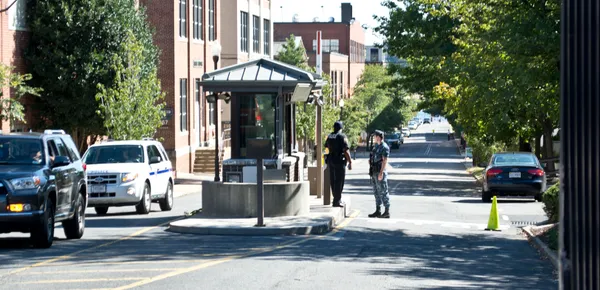
The Metropolitan Police Department (MPD) has designated two juvenile curfew zones covering parts of Navy Yard and the U Street Corridor for the weekend of March 6–8. The action activates special enforcement rules that allow officers to order dispersal of large groups of minors within clearly defined boundaries during specified hours.
Under the District’s current juvenile curfew framework, the general citywide curfew applies to individuals under age 18 from 11 p.m. to 6 a.m. daily. Separate provisions authorize the police chief to establish temporary “juvenile curfew zones” where curfew hours can begin as early as 8 p.m., provided certain legal thresholds and notice requirements are met.
Where the curfew zones apply
For Navy Yard, the designated perimeter is bounded by South Capitol Street SE to the west, I-695 to the north, 8th Street SE to the east, and the Anacostia River to the south.
For the U Street Corridor, MPD has previously defined a perimeter that includes V Street and Vermont Avenue NW on the north side and an east-to-west span that includes the 9th Street/Florida Avenue NW area to the east and the 15th Street/T Street NW area to the west and south. Curfew-zone boundaries are typically published with maps and signage posted in the affected area before implementation.
Zone authority is temporary and is designed to be time-limited, with a default maximum of four consecutive days unless extended by subsequent order.
Within a zone during curfew hours, enforcement is aimed at juvenile groups above a specified size threshold, with exemptions for certain activities.
What the rules allow police to do
MPD policy requires public notification of the zones and on-the-ground signage that identifies the boundaries, the effective dates and times, and the requirement to leave the area during curfew hours unless an exemption applies. Operational procedures also include steps for issuing dispersal warnings and documenting enforcement actions with body-worn camera recordings.
The curfew-zone framework authorizes earlier evening curfew hours in a limited area when officials determine it is needed to protect public safety or prevent property damage.
Context: why curfew zones have been used
The curfew-zone tool was developed amid repeated concerns about large juvenile gatherings in commercial corridors and transit-accessible neighborhoods. In recent months, District leaders have debated whether the expanded curfew approach should remain temporary or be written into long-term law, with discussion focusing both on public-safety impacts and the potential for disproportionate enforcement against youth.
For the March 6–8 weekend, MPD’s designation signals a continued reliance on the curfew-zone mechanism in Navy Yard and along U Street, two areas that have previously been included when the department has announced similar weekend restrictions.
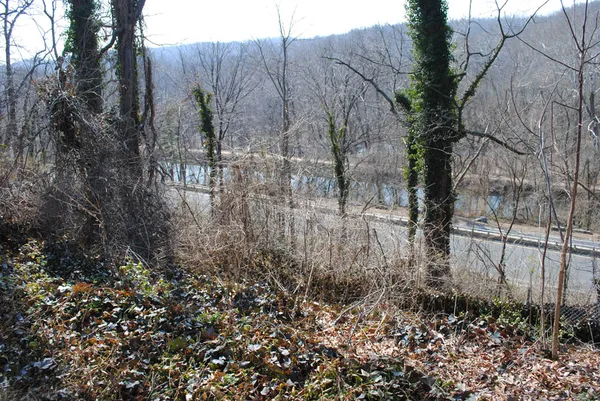
DC Water finds large boulder blockage behind Potomac Interceptor failure, extending cleanup and repair timeline

D.C. Police Executive Assistant Chief Andre Wright Placed on Leave After Revocation of Police Powers
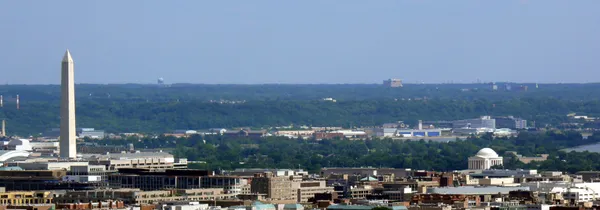
Anonymous Pro-Trump X campaign targets Congress to change Washington’s century-old building height limits