D.C. Tuition Assistance Grant rises to $15,000 annually, expanding college options for District graduates
A rare federal-backed boost for D.C. college affordability
Washington, D.C. students are set to receive a larger District of Columbia Tuition Assistance Grant (DCTAG) beginning with the 2026–27 academic year, after federal action increased the program’s maximum annual benefit for eligible students at public colleges from $10,000 to $15,000. The program’s lifetime cap for those public-institution awards will also rise from $50,000 to $75,000.
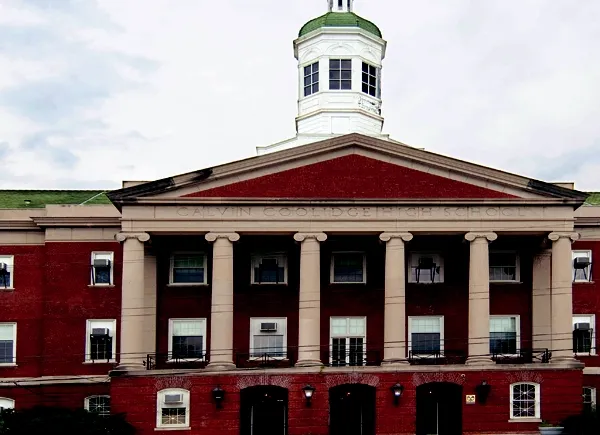
The change was marked Thursday, Feb. 26, 2026, at an event at Calvin Coolidge High School in Ward 4, where city leaders highlighted the program’s 25-year history and its role in helping District residents access lower tuition rates at public universities outside the city.
Why DCTAG exists, and what is changing
DCTAG was created by Congress in 1999 through the District of Columbia College Access Act. The program was designed to address a structural gap for District families: because Washington, D.C. is not a state, it does not operate a traditional state university system that offers in-state tuition to its residents. DCTAG helps eligible students cover part of the difference between in-state and out-of-state tuition at public colleges and universities across the United States, as well as institutions in U.S. territories including Guam and Puerto Rico.
In addition to the public-college increase, the program’s awards for certain private institutions will also expand starting in 2026–27. Eligible students attending private, four-year historically Black colleges and universities nationwide, or private nonprofit institutions in the Washington region, may receive up to $3,750 per year, with a lifetime cap of $18,750.
Program scale and recent participation
City education officials said more than 4,500 students were approved for DCTAG in the 2025–26 school year, the highest number in more than five years. Since the first awards were issued in the 2000–01 academic year, nearly 40,000 D.C. residents have received more than $716 million in tuition support across hundreds of colleges and universities nationwide.
Application timeline and basic requirements
For the 2026–27 award year, the DCTAG application period opened on Feb. 2, 2026, and is scheduled to remain open through Aug. 21, 2026. Students must apply each year they seek funding and complete the DC OneApp alongside the Free Application for Federal Student Aid (FAFSA), with supporting documentation required.
- Annual maximum (public colleges): up to $15,000, adjusted for enrollment status
- Annual maximum (eligible private HBCUs and regional private nonprofits): up to $3,750, adjusted for enrollment status
- Lifetime limit (public colleges): $75,000
- Lifetime limit (eligible private options): $18,750
The expansion represents the first increase in DCTAG’s annual award since the program’s creation, as District leaders frame the higher cap as a response to rising costs and persistent demand for affordable pathways to four-year degrees.
The increase arrives amid continued debate in Congress over federal spending priorities and oversight, with some lawmakers previously calling for tighter controls on the program’s funding levels. For District students preparing college plans for fall 2026, the revised caps are expected to change how families weigh out-of-state public options against regional private schools.
Providence Bishop Bruce Lewandowski leads Capitol Hill pilgrimage urging Congress to advance immigration reform proposals

Capitol Police and protester treated for injuries after disruption of Senate Armed Services hearing in Washington
Four suspected MS-13 members indicted in 14-year-old Washington teen’s killing; body found in Maryland park