Young Worker March on Washington set for February 7, focusing on union-backed demands at Capitol Hill
A new national mobilization targets young workers’ economic concerns
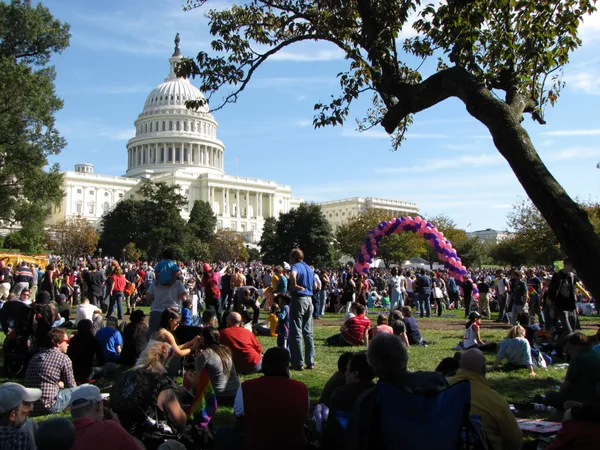
A coalition of union-affiliated young worker organizers is planning a “Young Worker March on Washington” on Saturday, February 7, 2026, with a gathering point identified on the U.S. Capitol grounds. The event’s central premise is that younger workers are facing diminished economic opportunity compared with prior generations and are organizing to press a set of policy and workplace demands.
The march is being hosted by AFGE YOUNG, a committee within the American Federation of Government Employees that operates within the AFL-CIO network. Organizers’ public materials describe the action as a Washington, D.C., convening intended to elevate issues affecting early- and mid-career workers across sectors.
What organizers are saying, and what is publicly known about logistics
Event pages affiliated with the organizing effort place the march on February 7 and locate it on Capitol Hill. The primary RSVP page lists the “March Location” as “Section 15” of a Capitol map shown to registrants. Additional local union communications indicate that participants from outside the region are planning coordinated travel to Washington, including chartered buses departing from central Pennsylvania.
Date: Saturday, February 7, 2026
Location: Capitol Hill area in Washington, D.C., with a specific assembly point designated on a Capitol map provided to participants
Participation: Registration is being collected through online RSVP forms; some union locals are coordinating group transportation
Organizers have not publicly released a detailed route, a start time for a procession, or a final program of speakers in the materials reviewed. The event’s planning pages reference operational needs typical of large demonstrations, including funding for transportation, security, portable restrooms, first-aid stations, and production.
“On February 7, everyone who believes in the future of young workers will convene on Washington DC…”
Context: Washington remains a focal point for issue-based mass mobilizations
The planned action joins a long-standing tradition of Washington demonstrations that use the city’s proximity to Congress and federal agencies to amplify economic and labor issues. While organizers frame the event around generational economic mobility, the march’s union infrastructure and transportation planning suggest an effort to translate workplace concerns into visible public pressure aimed at federal decision-makers.
In the weeks leading up to February 7, permitting details, law-enforcement coordination, and any announced congressional engagement would help clarify the march’s scale and immediate policy targets. For Washington-area residents and visitors, the event could affect traffic and pedestrian access near the Capitol complex, depending on crowd size and any street closures announced closer to the date.