Water Main Rupture in Brightwood Leaves Northwest Washington Without Service and Triggers Street Closures
What happened and where
A water main rupture in Northwest Washington disrupted service in the Brightwood neighborhood after a 12-inch pipe broke late Wednesday night in the 1400 block of Sheridan Street NW. The incident left nearby customers without running water and prompted roadway restrictions as crews moved in to isolate the break and begin repairs.
The outage footprint included customers near Sheridan Street and areas between 14th Street NW and 16th Street NW. Water main ruptures can require crews to shut valves to stop the flow and reduce system pressure, which can temporarily affect a wider area than the immediate break location.
Service impacts and what residents can expect during repairs
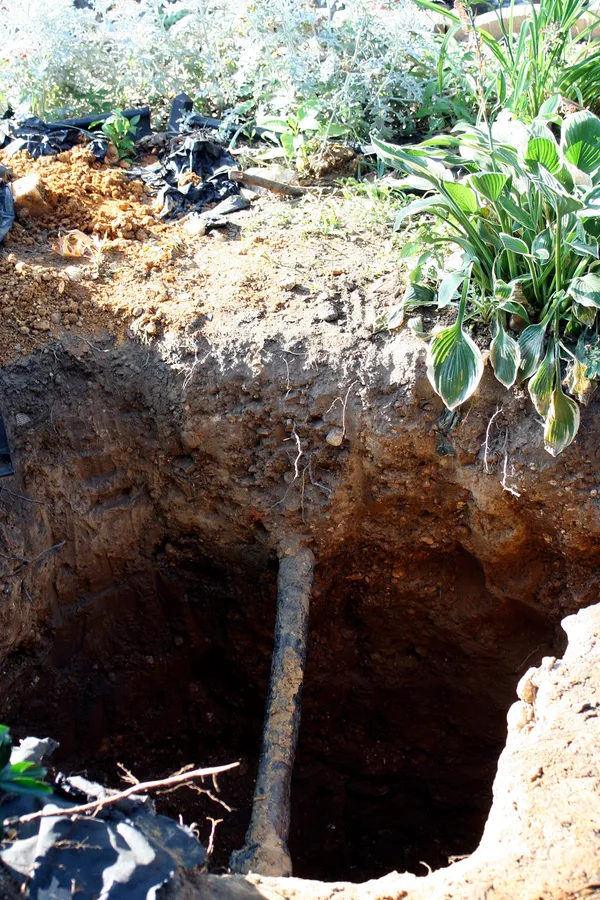
DC Water’s emergency response to main breaks typically involves locating and isolating the damaged segment, excavating to access the pipe, replacing the failed section, and then restoring service in stages while the system re-pressurizes. Even after water is restored, customers can experience temporary discoloration or sediment as water movement changes in the pipes.
- Short-term loss of water service for homes and businesses near the break
- Potential pressure fluctuations as valves are adjusted during repair work
- Possible temporary discoloration following restoration as lines flush
- Traffic and parking impacts around the work zone due to excavation and equipment
Road closures and travel conditions
Road closures were implemented around the break site to protect public safety and provide space for repair operations. Water main failures can undermine pavement and create sinkhole risks, requiring crews to restrict access until the ground is stabilized and roadway structure is assessed.
Drivers in the vicinity were advised to expect delays and use alternate routes while work continued. Lane or block-level closures are common during emergency utility repairs because heavy equipment, excavation spoil, and temporary plating can narrow travel lanes and affect pedestrian pathways.
Why 12-inch water mains matter
A 12-inch distribution main is a significant neighborhood supply line. When such a main ruptures, the volume of water released can be substantial, often flooding roadways and quickly lowering pressure for surrounding customers. Repairs can be complicated by factors such as winter conditions, underground congestion from other utilities, and the need to coordinate traffic control in dense residential corridors.
Emergency main breaks often require both utility isolation and roadway safety measures before excavation can proceed.
How residents can report problems and track restoration
Residents experiencing continuing loss of service, unusually low pressure, or water quality concerns during restoration can contact DC Water’s Emergency Command Center at 202-612-3400. Customers can also report issues through DC Water’s problem-reporting tools and sign up for utility alerts to receive outage and repair updates.
As repair work progresses, service is typically restored first by re-opening isolated valves and then stabilizing system pressure. Final steps generally include site backfilling, temporary pavement restoration, and later permanent roadway repair once conditions allow.