Washington’s Tidal Basin Cherry Blossoms Advance to Bloom Watch Stage 2 as Peak Bloom Nears
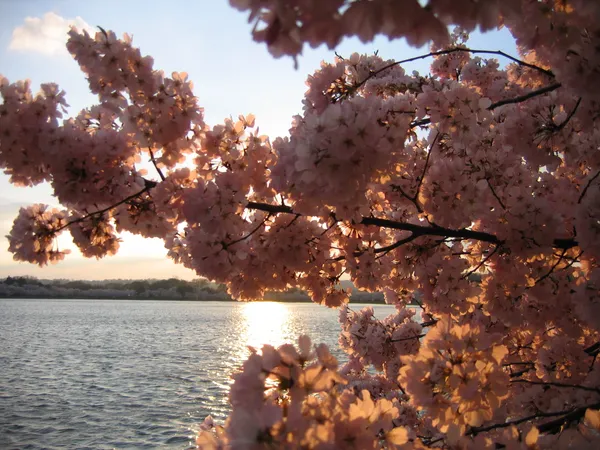
Bloom Watch update signals early spring progress around the Tidal Basin
Washington’s signature cherry trees have moved into Stage 2 of the National Park Service’s six-step Bloom Watch scale, indicating the buds on the monitored Yoshino cherry trees are developing toward peak bloom. Stage 2—commonly described as “florets visible”—is marked by the first clear appearance of the tiny flower structures inside the bud, a sign that the trees are progressing beyond the initial green-bud phase.
The Bloom Watch system is used each spring to track the same Yoshino trees near the Tidal Basin, helping provide a consistent framework for describing seasonal development. Peak bloom, the final stage, is defined as the period when approximately 70% of the blossoms on the Yoshino trees around the Tidal Basin are open.
What Stage 2 means in the six-stage cycle
The six stages tracked in the Bloom Watch cycle are widely used in local planning and public communications because they reflect observable changes in the buds and flowers. Stage 2 is still early in the process, but it typically precedes rapid daily changes when temperatures trend warmer.
- Stage 1: Green buds become visible.
- Stage 2: Florets become visible within the buds.
- Stage 3: Extension of florets continues as more flower becomes visible.
- Stage 4: Peduncle elongation, when the flower stalk lengthens.
- Stage 5: “Puffy white,” when petals are formed but not fully open.
- Stage 6: Peak bloom, when most blossoms are open.
Peak bloom forecast window and weather sensitivity
For 2026, the National Park Service has projected peak bloom for the cherry trees around the Tidal Basin and National Mall between March 29 and April 1, with the exact timing dependent on weather conditions. Warm days can accelerate development between stages, while colder temperatures can slow it. Wind and heavy rain, when they occur during or just after opening, can shorten the duration of the most photogenic period by knocking petals from the trees.
Peak bloom is a defined biological threshold—about 70% of Yoshino blossoms open—rather than a single scheduled event.
Festival calendar overlaps, but does not determine bloom timing
The seasonal bloom watch occurs alongside the National Cherry Blossom Festival, which is scheduled for March 20 through April 13, 2026. While many visitors plan trips around festival dates, the trees’ development is driven by environmental conditions, and bloom timing can shift within the forecast window. Stage 2 is an early milestone that confirms the season’s progression is underway, while leaving meaningful uncertainty about how quickly later stages will follow.