Washington National Opera sets new Washington venues for 2026 season after ending Kennedy Center affiliation
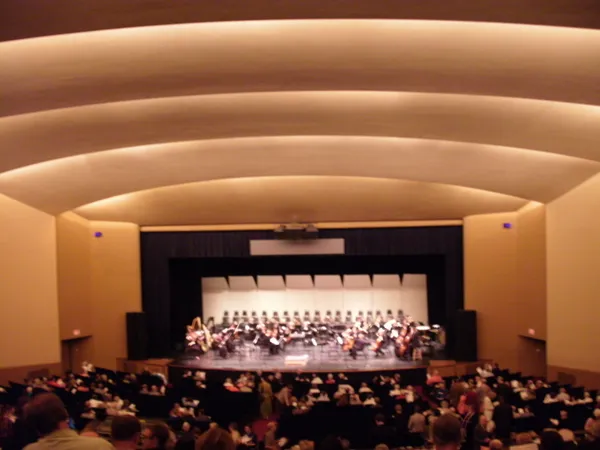
A resident company for decades, the opera pivots to multiple stages as governance and financing disputes intensify
Washington National Opera has announced new District-area performance plans for its 2026 spring season, shifting productions to venues outside the John F. Kennedy Center for the Performing Arts after ending its long-standing affiliation agreement with the institution. The move marks one of the most consequential programming changes in Washington’s performing-arts ecosystem in decades, with immediate implications for audiences, artists, and the region’s cultural calendar.
Two major works in the spring lineup—Scott Joplin’s Treemonisha and the operatic adaptation of Arthur Miller’s The Crucible—are now scheduled to be staged at Lisner Auditorium at George Washington University. The company said a venue for West Side Story, planned for later in the season, will be announced separately.
The separation follows months of turbulence at the Kennedy Center after a leadership overhaul and high-profile disputes over the institution’s public identity and operating model. In December 2025, the board voted to adopt a name incorporating President Donald Trump alongside the Kennedy memorial designation, an action that prompted legal challenges and public debate over whether such a change requires congressional approval. The naming fight unfolded alongside reports of artist withdrawals and programming disruptions.
Washington National Opera has cited financial and operational constraints as central to its decision. Opera companies typically rely on a mix of ticket revenue, grants, and philanthropic support, and they plan seasons years in advance. The company indicated that a requirement to have productions fully funded far ahead of time conflicts with how opera budgets are commonly assembled and managed. It also stated that its repertoire strategy—pairing high-demand titles with less frequently staged works—depends on cross-subsidization within a season.
The shift to new venues will require changes in logistics and production planning, including orchestra placement, staging capacity, and scheduling.
The company reported a rapid increase in donor activity immediately after announcing the break, signaling that the split has become a focal point for supporters concerned about the future of local arts institutions. At the same time, the opera faces practical challenges: adapting large-scale productions to nontraditional opera houses, ensuring consistent acoustics and sightlines, and maintaining staffing and rehearsal workflows while operating across multiple sites.
For the Kennedy Center, the end of the exclusive relationship reconfigures how opera will be presented under its current leadership, which has argued for greater flexibility to bring in productions from outside organizations. The result is a more fragmented landscape for opera in Washington, with audiences likely to navigate multiple venues_topics:
- New performance locations for Washington National Opera’s 2026 spring season
- Financial-model friction and advance-funding requirements for productions
- Ongoing legal and political dispute over the Kennedy Center’s naming and governance
Washington National Opera’s next steps—especially the pending venue announcement for West Side Story—will help define whether the company’s post-Kennedy Center era becomes a temporary relocation or a lasting shift in where, and how, opera is produced in the nation’s capital.