Washington marks America’s 250th anniversary with 250 new cherry trees amid Tidal Basin restoration work
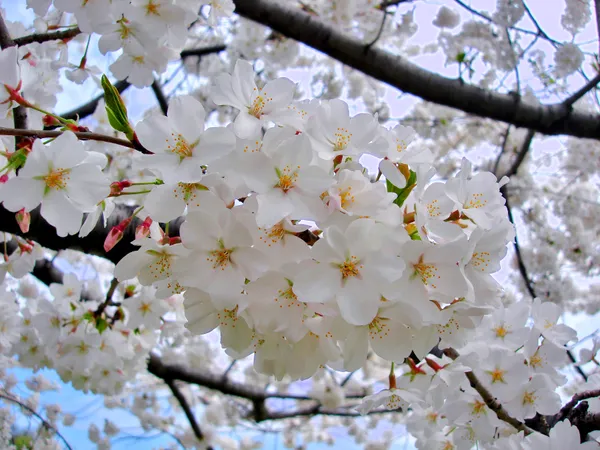
A new planting plan ties a milestone anniversary to long-running infrastructure repairs
Washington is preparing to add 250 new cherry trees to its storied spring landscape as the United States approaches its 250th anniversary in 2026. The initiative is being presented as a commemorative planting while also serving a practical purpose: replacing trees removed during major construction around the Tidal Basin, one of the city’s most visited waterfront corridors.
The new trees are associated with a diplomatic gift from Japan, reflecting a tradition that dates to the early 20th century. Washington’s cherry trees trace their origin to a 1912 gift of thousands of trees from Tokyo, an exchange that helped define the city’s most recognizable seasonal event.
Why trees are being removed and replaced at the Tidal Basin
The plantings come as federal land managers rebuild and reinforce aging seawalls around the Tidal Basin and parts of West Potomac Park. The multiyear rehabilitation project is designed to address chronic flooding of pedestrian paths and damage linked to deteriorating infrastructure, land settlement and repeated inundation affecting tree root zones. The work has required the removal of a significant number of existing trees in areas adjacent to construction.
Plans for landscape restoration include replanting hundreds of trees when construction milestones allow. The 250 cherry trees linked to the anniversary effort are part of a broader re-greening strategy expected to unfold in phases rather than through a single, one-day planting.
What is known about the new cherry trees
- The number: 250 new cherry trees tied to the 2026 commemoration.
- Likely variety: Yoshino cherry trees, consistent with the dominant cultivar around the Tidal Basin.
- Location and timing: planting is expected to occur in stages around the Tidal Basin and other prominent sites as restoration work progresses.
The Tidal Basin’s blossoms have become a national symbol of spring, but their long-term health depends on shoreline stability, drainage and root protection—factors directly affected by seawall conditions and frequent saltwater exposure.
How the project fits into the 2026 season
The planting initiative is arriving as Washington’s cherry blossom season remains a major draw for residents and visitors and as the 2026 calendar builds toward nationwide commemorations. Peak bloom timing varies year to year, and federal forecasters have already issued a 2026 peak bloom window for the Tidal Basin’s Yoshino trees. While bloom forecasts shape visitor plans, the longer-term story for the next generation of trees hinges on construction sequencing, post-construction soil conditions and the ability to sustain new plantings in a high-traffic, flood-prone environment.
For Washington, the headline number—250 trees for 250 years—sits at the intersection of diplomacy, public works and an evolving approach to protecting one of the capital’s most photographed landscapes.