Washington developments: Trump deletes racist Obama post, Benghazi suspect detained, US-Iran nuclear talks resume in Oman
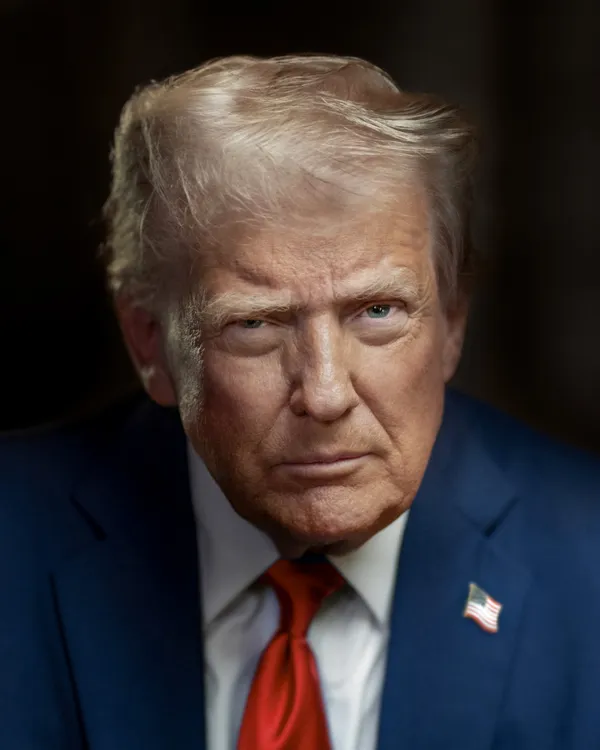
A volatile political day converges on race, accountability, and high-stakes diplomacy
Washington’s political agenda shifted rapidly Friday as three unrelated developments—an online controversy involving President Donald Trump, a major custody announcement tied to the 2012 Benghazi attack, and renewed U.S.-Iran nuclear diplomacy—created a compressed snapshot of the forces shaping the capital’s debates: political polarization, national security, and foreign policy risk management.
Trump post removed after backlash over racist imagery
The White House faced intensifying criticism after Trump shared social media content that included a racist depiction of former President Barack Obama and former First Lady Michelle Obama. The post drew objections from civil rights advocates and elected officials across party lines. After the backlash grew, the post was taken down.
The episode unfolded amid a broader burst of social media activity focused on election conspiracy narratives. The removal of the post did not end questions about how the White House manages online amplification and what standards—if any—are used when content targets political opponents with dehumanizing imagery.
The controversy added to a recurring Washington dynamic: partisan fights over speech and accountability colliding with concerns about race and political dehumanization.
Justice Department: a “key participant” in Benghazi attack in U.S. custody
Attorney General Pam Bondi said a “key participant” in the Sept. 11, 2012, attack on U.S. facilities in Benghazi, Libya, is in custody and will face prosecution in Washington. The attack killed four Americans, including U.S. Ambassador Christopher Stevens, and became a defining domestic political dispute over diplomatic security, intelligence assessments, and the Obama administration’s public explanations in the aftermath.
Past congressional investigations, including a final report by a Republican-led House panel, criticized security shortcomings and aspects of the government response, while also concluding it found no wrongdoing by then-Secretary of State Hillary Clinton.
Friday’s custody announcement reopens legal and operational questions that tend to follow long-running terrorism investigations: how suspects are located and transferred, how evidence is assembled after years of conflict-driven instability, and how prosecution strategies address classified intelligence and overseas witnesses.
U.S. and Iran hold indirect nuclear talks in Oman
Separately, U.S. and Iranian representatives held indirect talks in Oman focused on Iran’s nuclear program and the structure of potential future negotiations. Iranian Foreign Minister Abbas Araghchi described the opening as a “very good start,” while U.S. officials offered no immediate public characterization of the meeting.
The talks came against a backdrop of elevated tensions in the region and renewed scrutiny of escalation risks. The U.S. delegation included envoy Steve Witkoff and Jared Kushner. U.S. Central Command commander Adm. Brad Cooper also attended, a departure from prior rounds of talks and a visible reminder that diplomacy is proceeding alongside a heightened military posture.
What to watch next
Whether the White House issues additional guidance on the president’s social media activity and internal review practices.
Initial court proceedings, charging details, and evidentiary timelines in the Benghazi-related prosecution.
Whether U.S.-Iran talks expand beyond procedural planning into substantive commitments on nuclear constraints and verification.