Washington, D.C. pilots rooftop solar and battery coordination to reduce neighborhood distribution grid strain
Why the District is testing rooftop solar and batteries for grid support
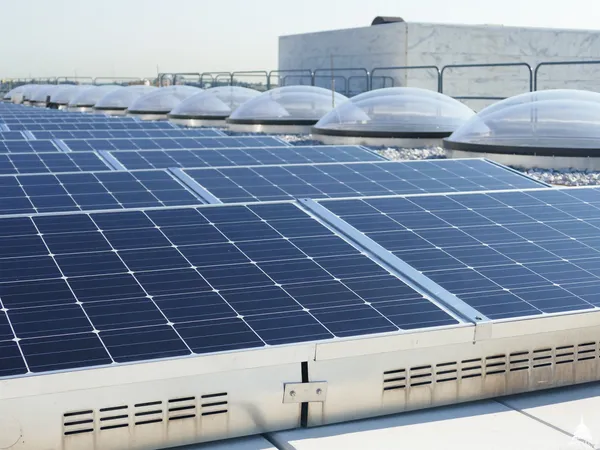
Washington, D.C. is advancing a set of grid-modernization pilots aimed at determining whether rooftop solar paired with battery storage can help relieve stress on the local electricity distribution system during high-demand periods. The approach centers on coordinating many small, customer-sited resources so they can behave, from the grid’s perspective, like a controllable resource that can reduce peaks, manage voltage, and improve power quality.
The Public Service Commission has framed this work under PowerPath DC, a grid modernization initiative launched in 2020 to support the District’s clean-energy and climate objectives while improving reliability. PowerPath DC emphasizes integrating distributed energy resources such as rooftop solar and batteries, streamlining interconnection, and testing “non-wires alternatives” that can defer or reduce conventional infrastructure upgrades.
How a rooftop solar-and-battery “virtual power plant” would work
A key element of the District’s current testing is procurement for a pilot that would implement a virtual power plant (VPP) or a distributed energy resource management system (DERMS). In practical terms, a VPP or DERMS can aggregate and coordinate distributed resources—such as behind-the-meter solar and batteries—to deliver measurable distribution-grid benefits.
- Shifting battery charging to periods of lower system stress and discharging during peak demand.
- Managing localized grid needs, including voltage and power-quality support, where technically feasible.
- Generating performance data and operational lessons for future policy and planning decisions.
Commission materials define a VPP as a decentralized energy management system that gathers distributed energy resource capacity, contributes to energy markets, and can trade energy with the upstream network. The solicitation framework also emphasizes planning for continuity beyond a limited pilot period, signaling interest in designs that can persist without ongoing additional Commission funding.
Connection to broader microgrid efforts and equity goals
In parallel, the Commission has advanced a neighborhood-scale microgrid pilot designed for approximately 50 to 200 residences and buildings. That demonstration is intended to integrate solar power, energy storage, microgrid controls, and a platform capable of enabling peer-to-peer energy trading within a defined community boundary. The microgrid initiative is structured to provide at least two years of operational demonstration as part of a broader multi-year implementation.
These pilots also sit within a wider District policy landscape that includes Solar for All, which is designed to expand solar access for eligible low- to moderate-income households and reduce participating households’ electric bills by 50% by 2032. Program design and pilot oversight documents incorporate environmental justice concepts and economic inclusion expectations, reflecting the District’s stated priorities for equitable participation.
What the District is trying to learn
The pilots are designed to answer operational questions that matter for utility planning: whether coordinated rooftop solar and batteries can reduce the need for certain grid upgrades, how reliably the resources can be dispatched when needed, and what distribution-level services they can provide. The Commission’s longer-term objective is to use pilot outcomes to inform distribution planning frameworks and modernization policies across the city.
For the District, the core test is whether coordinated customer-sited solar and storage can deliver repeatable distribution-system benefits that complement traditional infrastructure investments.