Washington, D.C., marks Lunar New Year with Chinatown events culminating in the February 22 parade
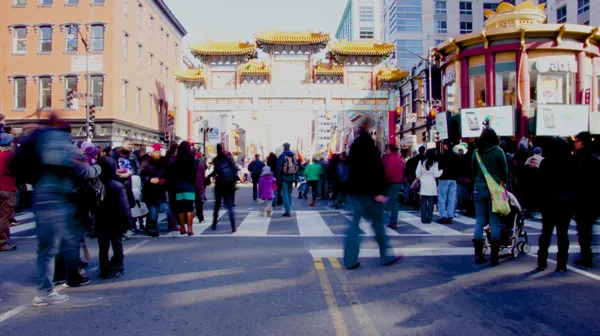
Lunar New Year begins Feb. 17 as District celebrations return to downtown Chinatown
Washington, D.C., entered the Lunar New Year on Tuesday, Feb. 17, 2026, marking the start of the Year of the Horse in the Chinese zodiac. In the District, the annual observances again center on the Chinatown–Penn Quarter area, with a calendar that includes late-night traditions, community programming, and the long-running downtown parade scheduled for Sunday, Feb. 22.
The largest public event on the calendar is the Annual Chinese Lunar New Year Parade, set for Feb. 22 from 2 p.m. to 4 p.m. in D.C.’s historic Chinatown. Organizers have listed the parade as free to attend and focused on cultural performances and community groups.
Parade route and featured elements
Event details provided by organizers place the parade start near 6th and I (Eye) Street NW, with the endpoint near 6th and H Street NW. The program is expected to include lion and dragon dance performances, marching and musical groups, and martial arts demonstrations, with a fireworks or firecracker component described as part of the finale on H Street.
- Date and time: Sunday, Feb. 22, 2026, 2:00–4:00 p.m.
- Location: Downtown D.C. Chinatown–Penn Quarter area
- Route: Beginning near 6th & I St NW and ending near 6th & H St NW
- Admission: Listed as free
Midnight lion dances and local programming
In addition to the parade, Chinatown’s Lunar New Year calendar includes a late-night observance on Monday, Feb. 16. The event is built around a traditional lion-dance walk through the neighborhood intended to bless participating businesses at the turn of the lunar year. Organizers have described the practice as involving red envelopes and symbolic offerings to the lion dancers.
Community organizations based in Chinatown have also scheduled educational and cultural events during the week of Lunar New Year, alongside library-based programming that frames Lunar New Year as a seasonal holiday marking the transition from winter toward spring in the lunisolar calendar.
Celebration intersects with long-running questions about Chinatown’s future
This year’s public celebrations arrive as Chinatown continues to face pressures common to many urban ethnic enclaves, including redevelopment, business turnover, and demographic change. Recent reporting has documented the neighborhood’s shrinking residential base and the closure of legacy businesses, while community advocates and cultural nonprofits have pursued initiatives aimed at preservation, public history, and support for remaining residents and merchants.
Lunar New Year events in Chinatown combine festival traditions with a public claim to place—using parades, lion dances, and community gatherings to keep cultural visibility in the city’s downtown core.
District agencies involved in community affairs have described their role as connecting residents and businesses with city services, outreach, and programming, including coordination with community partners during major cultural events.
With the Year of the Horse underway, the week’s events are expected to draw residents and visitors to downtown Chinatown for ceremonies that are both celebratory and closely tied to the neighborhood’s evolving identity.