Washington, D.C. begins 2026 with a three-week homicide-free stretch as violent crime declines
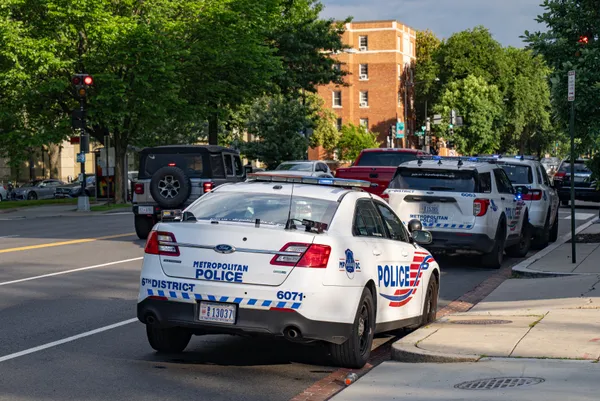
A rare early-year lull in killings
Washington, D.C. opened 2026 with more than three weeks without a recorded homicide, a period that ended on January 21, when Metropolitan Police Department officers responded to a shooting in the 1300 block of Varnum Street NE. The victim, identified as 18-year-old Malik Moore of Northeast Washington, later died at a hospital.
The homicide-free stretch coincided with a broader downturn in reported violence in the first weeks of the year, based on preliminary MPD figures that compare year-to-date totals with the same point in 2025.
What the early 2026 numbers show
MPD’s citywide “Crime Data at a Glance” report for 2026, as of January 27, lists 2 homicides compared with 9 at the same time in 2025. The same report shows declines in robbery, total violent crime, and several major property-crime categories, while one serious violent category increased.
- Homicide: 2 in 2026 vs. 9 in 2025 (as of Jan. 27).
- Robbery: 65 vs. 132.
- Total violent crime: 132 vs. 191.
- Motor vehicle theft: 158 vs. 330.
- Assault with a dangerous weapon: 62 vs. 45.
MPD notes the figures are preliminary and can change with later case reclassification, unfounding determinations, or updates to offense coding.
How the recent trend compares with prior years
The early 2026 decline follows consecutive annual reductions in killings after the city’s 2023 peak. Districtwide totals fell from 274 homicides in 2023 to 187 in 2024 and 127 in 2025, according to local and federal criminal-justice reporting based on MPD data.
Federal prosecutors previously highlighted a sharp 2024 drop in total violent crime compared with 2023, citing reductions across homicides, robberies, carjackings, and assaults with dangerous weapons. That public accounting emphasized targeting repeat drivers of violence and closer coordination across agencies.
Enforcement, technology, and policy context
City and federal officials have attributed the decline to a mix of enforcement initiatives and operational changes, including technology-supported policing and intelligence-led deployments. MPD has pointed to expanded analytic capacity through its Real-Time Crime Center, while District leaders have backed enforcement and prevention measures in parallel.
The crime decline has also unfolded amid heightened federal involvement in D.C. public safety, including actions initiated during 2025 that increased federal law-enforcement presence and brought additional security resources into the city. The extent and long-term structure of that involvement has been contested in local politics, even as crime counts moved downward from their 2023 highs.
MPD’s year-to-date figures are preliminary and may be revised as investigations advance and cases are reclassified.
What to watch next
Public-safety officials are expected to keep close focus on whether reductions in robbery, homicide, and vehicle theft persist into warmer months, when violence historically tends to rise. Early 2026 data suggests meaningful improvement in several headline categories, alongside a rise in assaults with dangerous weapons that will remain a central measure of day-to-day safety across neighborhoods.