Washington area monitors potential coastal storm Sunday into Monday as rain dominates, limited snow risk remains
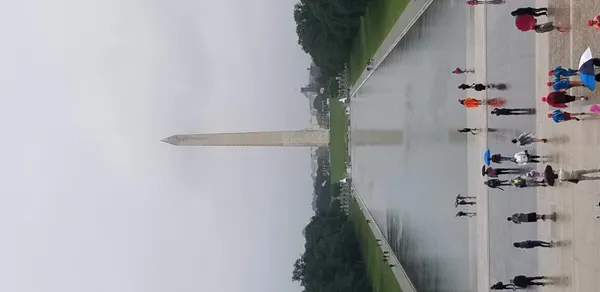
Coastal storm could affect the DMV late weekend, with rain most likely and snow mainly a higher-elevation concern
Forecast offices and national guidance are monitoring a coastal low expected to develop and track near the Mid-Atlantic late Sunday into early Monday, raising the possibility of a return to wintry weather in parts of the Washington, D.C., Maryland and Virginia region.
As of Thursday, Feb. 19, 2026, the prevailing signal in official forecast discussions points to a chilly, soaking rain for the urban corridor and much of the region, with snowfall becoming more plausible mainly at higher elevations west of the I-95 corridor. Confidence in a widespread snow event around Washington remains limited, reflecting marginal temperatures near the surface and uncertainty in the storm’s exact track and intensity.
What the forecast pattern suggests
National winter-weather guidance highlights that the atmosphere may supply ample moisture as the system approaches. However, temperature profiles leading into the event appear borderline for snow in the immediate metro area, where near-freezing wet-bulb temperatures can make precipitation type sensitive to small changes in storm track, precipitation rates, and the timing of colder air.
In such setups, accumulating snow—if it occurs—tends to be tied to terrain and to localized bursts of heavier precipitation that can briefly cool the column. For the greater Washington region, that typically favors the higher ridges of the central Appalachians and, at times, the far northern and western suburbs.
Timing: Sunday into Monday
Current planning should focus on the second half of the weekend:
Saturday: Generally milder conditions are expected ahead of the storm, limiting pre-storm cold-air supply.
Sunday: Rain becomes increasingly likely as the coastal system nears the Mid-Atlantic.
Sunday night into Monday: The period most likely to bring widespread precipitation and the best window for any mixing or changeover in colder locations and at higher elevations.
Where snow is most plausible—and where it is not
At this stage, the strongest case for accumulating snow is in higher-elevation communities to the west of the Washington metro area, where temperatures are more supportive and brief dynamic cooling is more likely. For Washington and the immediate suburbs, rain remains the most probable outcome, with only limited potential for snow to mix in, especially if the storm strengthens more than currently projected or tracks closer to the coast.
Key uncertainties remain centered on storm track, intensity, and near-surface temperatures—factors that can shift the rain-snow line by tens of miles.
Impacts to watch
Even if precipitation falls mostly as rain in the metro corridor, the storm could still affect travel and daily operations through reduced visibility, periods of heavier rain, and low ceilings that disrupt aviation. In colder, higher locations, any snow could create slick roads, particularly overnight into Monday morning.
Updates are expected as higher-resolution guidance comes into range and as forecasters narrow down the most likely storm evolution.