U.S. mayors meeting in Washington focus on immigration enforcement, as federal operations raise local safety concerns
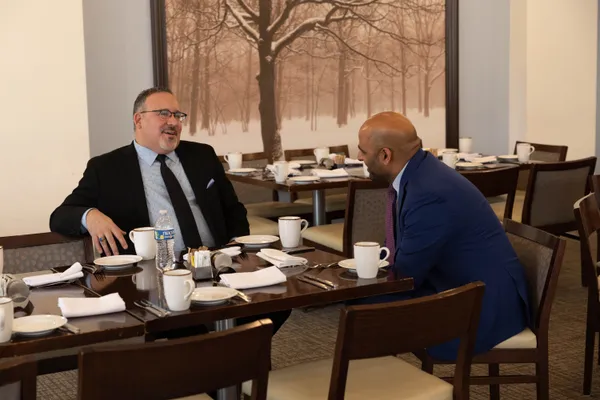
Winter meeting shifts to federal enforcement questions
Mayors from across the United States convened in Washington from January 28 to 30, 2026, for the 94th Winter Meeting of the U.S. Conference of Mayors, an annual gathering that typically features city-focused agendas such as housing supply, climate initiatives, and local use of artificial intelligence. This year, however, immigration enforcement and how cities should respond to federal operations emerged as a dominant theme in side conversations and public remarks.
Multiple mayors described a recurring set of questions circulating among city leaders: how to anticipate federal activity, how to minimize risks to residents, and how to coordinate with local police, schools, and hospitals when federal agents operate within city limits.
Minneapolis-linked incidents set the backdrop
The renewed focus followed a series of high-profile events in Minnesota linked to a federal surge of immigration enforcement personnel. In remarks during the Washington meeting, a bipartisan group of mayors referenced Minneapolis-area confrontations as evidence that other cities could face similar pressure, including the prospect of sudden deployments, street-level operations, and community disruptions.
Minnesota officials and the cities of Minneapolis and Saint Paul have already moved the dispute into the courts. On January 12, 2026, Minnesota’s attorney general, alongside Minneapolis and Saint Paul, filed a federal lawsuit seeking to halt what they described as an unprecedented deployment of Department of Homeland Security personnel, arguing it is unlawful and unconstitutional. The filing seeks both declaratory relief and immediate court intervention and alleges harmful impacts on public safety operations and community life.
Competing city perspectives on tactics and public safety
Speakers at the mayors’ meeting reflected divisions that often cut across party lines: support for border enforcement was voiced alongside concerns about city-level tactics, including the visibility of armed federal activity and its effects on public trust. Some mayors argued that aggressive street tactics can undermine cooperation between residents and local law enforcement, complicating crime prevention and emergency response. Others emphasized that immigration enforcement remains a federal responsibility while calling for clearer boundaries and safer operational practices.
- Concerns raised included enforcement activity near schools, hospitals, and places of worship.
- Mayors discussed preparations for rapid federal deployments, including protocols for city services and public communication.
- Local officials highlighted the resource strain that can arise when municipalities must respond to knock-on effects such as protests, traffic disruptions, or emergency calls.
Federal response and the legal landscape
The political standoff is also unfolding through parallel litigation. In September 2025, the U.S. Department of Justice sued Minnesota, Minneapolis, Saint Paul, and other local entities over policies the federal government characterizes as obstructing immigration enforcement. That case and Minnesota’s January 2026 lawsuit represent competing claims about federal authority, local cooperation, and constitutional limits.
“What should I do to prepare my community for what might come? How will I know if they're coming?”
As the winter meeting continues, the discussions suggest that city leaders are increasingly treating immigration enforcement not only as a federal policy debate, but also as an operational issue with immediate implications for local public safety, budgeting, and community confidence.