Trump, sons and Trump Organization file $10 billion lawsuit against IRS and Treasury over tax leak
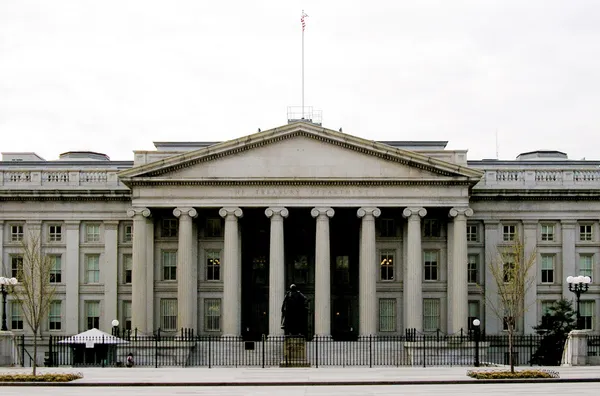
A new federal lawsuit targets agencies responsible for safeguarding confidential tax records
President Donald Trump, joined by Donald Trump Jr., Eric Trump and the Trump Organization, filed a lawsuit on January 29, 2026, in federal court in Florida seeking $10 billion in damages from the Internal Revenue Service and the U.S. Department of the Treasury. The complaint alleges the government failed to prevent the unauthorized disclosure of the plaintiffs’ tax return information, resulting in reputational and financial harm and public embarrassment.
The filing focuses on a leak of federal tax records that occurred over several years and became public through reporting based on those materials. The suit alleges that the disclosure of tax return information violated federal confidentiality protections and contends the government is liable for the breach.
Background: the contractor conviction and the scope of the breach
The lawsuit follows the criminal case against Charles Edward Littlejohn, a former IRS contractor who worked while employed by Booz Allen Hamilton. Littlejohn pleaded guilty to unauthorized disclosure of confidential tax return information and was sentenced in 2024 to five years in prison.
Federal authorities have described the episode as a large-scale compromise of protected taxpayer data. Treasury has stated that the IRS determined the breach affected about 406,000 taxpayers.
- The plaintiffs allege their tax records were among the materials taken and disclosed without authorization.
- The lawsuit seeks monetary damages and asserts the leak caused ongoing harm tied to public circulation of protected tax information.
Legal framework: strict limits on disclosure of tax returns
Federal law generally treats tax returns and “return information” as confidential. Internal Revenue Code Section 6103 establishes the baseline rule that tax information cannot be disclosed except in circumstances specifically authorized by statute. IRS guidance also identifies potential criminal penalties for unlawful inspection or disclosure and provides for civil remedies in cases of unauthorized disclosure.
Tax return confidentiality rules are designed to limit disclosure and require agencies and contractors with access to maintain safeguards against unauthorized use and release.
Agency action on contracting and safeguards
On January 26, 2026, Treasury announced it had canceled all contracts with Booz Allen Hamilton, citing concerns about safeguards for sensitive data accessible through work connected to the IRS. Treasury said the department had 31 contracts with the firm, totaling $4.8 million in annual spending and $21 million in total obligations.
The lawsuit arrives as federal agencies face renewed scrutiny over contractor access, internal controls, and the handling of taxpayer data across government systems. The case is expected to test how courts apply federal confidentiality rules, contracting oversight responsibilities, and damages claims following proven unauthorized disclosures.