Trump Orders Federal Response to Potomac Sewage Spill as DC Water Begins Long Repair Effort
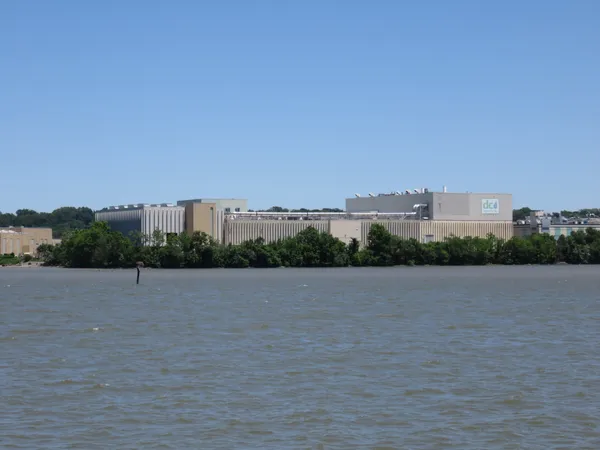
Federal agencies mobilized as spill response broadens
President Donald Trump has directed federal authorities to take steps aimed at protecting the Potomac River following a major sanitary sewer failure that has sent large volumes of untreated wastewater into waterways upstream of Washington, D.C. The directive comes as regional crews continue emergency operations on an aging interceptor line whose collapse has affected the Potomac corridor near the Capital Beltway.
The incident began on January 19, 2026, when a section of the Potomac Interceptor collapsed along Clara Barton Parkway in Montgomery County, Maryland. The Potomac Interceptor is a long-distance wastewater conduit that ultimately carries sewage to the Blue Plains Advanced Wastewater Treatment Plant, one of the region’s central treatment facilities. The damaged segment is located near the C & O Canal National Historical Park, where overflow conditions were initially reported.
What happened and where the discharge occurred
DC Water has described the failure as a collapse of a large-diameter section of pipe that triggered sustained overflow conditions. In public updates, the utility has said a bypass system was established within days to reroute wastewater around the collapse site and reduce releases. Work has focused on excavation, debris removal inside the pipe, and building access for crews and specialized equipment.
The utility has also warned that, until full functionality is restored, there remains a residual risk of limited overflows, particularly during periods of higher flow linked to weather, snowmelt, or operational maintenance on temporary pumping equipment.
Public health guidance and water-quality monitoring
Officials have advised the public to avoid contact with contaminated water and to follow posted warning signs near impacted areas. DC Water has said it is conducting ongoing river testing for E. coli and posting results as sampling continues downstream of the site.
DC Water has stated that drinking water service is not impacted by the incident, describing the drinking-water system as separate from the wastewater system. The utility has also urged anyone who may have come into contact with untreated sewage to wash exposed skin, disinfect affected items, and seek medical attention if symptoms occur.
- Incident detected: January 19, 2026
- Emergency bypass pumping: implemented within days to reroute flow
- Ongoing actions: excavation, pipe cleanout, and preparations for repair
- Monitoring: continued E. coli testing at downstream locations
Repair timeline and broader infrastructure concerns
DC Water has not presented a single fixed completion date for the project in its early updates, emphasizing that the repair plan depends on assessments after debris removal and stabilization. Separate reporting on briefings from engineering leadership has put the expected duration for permanent repairs on the order of months, with some estimates extending close to nine months for full restoration.
The Potomac Interceptor is part of a larger wastewater network serving the region, and the failure has renewed attention on the challenges of maintaining aging underground infrastructure that carries high daily volumes. The cause of the collapse has not been publicly established, and the scope of the environmental remediation plan is still developing as sampling and impact assessments continue.
Officials have emphasized that avoiding direct contact with contaminated water remains the most important immediate step for public safety while emergency work continues.
What comes next
In the near term, the response is expected to remain focused on stabilizing the site, maintaining bypass capacity, and limiting additional discharges during changing weather conditions. Federal involvement, as directed by the president, adds another layer of coordination as environmental monitoring and repair planning move forward in one of the Washington region’s most heavily used river corridors.