Trump-Backed Push for an IndyCar Race on the National Mall Faces Congressional and Permit Hurdles
A proposal tied to America’s 250th anniversary
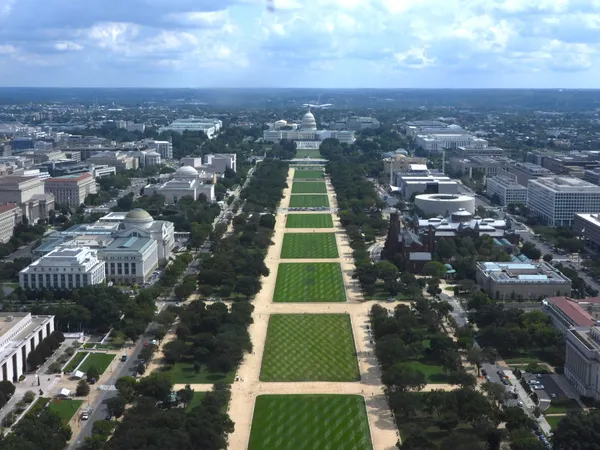
Federal officials are exploring whether an IndyCar street race could be staged in Washington, D.C., as part of the national commemoration of the United States’ 250th anniversary in 2026. The concept under discussion would place a temporary race circuit on and around roads adjacent to the National Mall, an area that includes multiple federal jurisdictions and some of the country’s most visited monuments.
The initiative has been publicly promoted by President Donald Trump and senior administration officials in recent days, framing the event as a high-profile addition to anniversary programming. The effort is at an early stage and would require approvals that go beyond typical sporting-event planning, including congressional action and multiple federal permits.
Why Congress matters: sponsorship and restricted federal space
A central issue is the commercial nature of IndyCar racing. The series is built around team sponsorships and brand signage on cars and uniforms, creating friction with restrictions that apply to certain federal grounds and settings in the capital. Trump has publicly argued that opposition from Senate Minority Leader Chuck Schumer is a key obstacle, while Schumer’s office has said the senator has not taken a position and is reviewing available information.
Separately from Capitol-specific restrictions, special events on National Park Service land are governed by permit rules that can limit sponsor recognition, prohibit admission fees on parkland, and require cost recovery deposits and security staffing plans depending on size and scope. The National Mall permitting process also requires detailed plans covering safety, logistics, and site protection.
Permitting and security: a large operational footprint
A street race in the Monumental Core would create extensive operational demands: road closures, temporary barriers, grandstands, emergency access routes, and staffing for crowd management and protective security. The permitting framework anticipates substantial planning, potential restoration and cleanup obligations, and reimbursable public-safety costs, particularly if U.S. Park Police staffing is required.
Because the proposed footprint touches iconic federal locations and high-security corridors, planning would likely require coordination among federal land managers, law enforcement entities, and local agencies responsible for transportation and public services.
Where the idea stands in IndyCar’s schedule
IndyCar’s published 2026 schedule lists 17 races from March through September, including two new street-race venues—Arlington, Texas, in March and Markham, Ontario, in August—plus a return to Phoenix Raceway. Washington, D.C., is not included on the current calendar, underscoring that a race in the capital would either require a major schedule change or be planned outside the existing framework.
Key questions still unresolved
- Whether legislation can clear Congress to address advertising and related restrictions in the affected federal areas.
- Whether a National Mall-area permit application can meet requirements on site protection, security, and operational feasibility.
- Whether an event of this scale can be planned and delivered within the 2026 anniversary window without disrupting other scheduled uses of the National Mall.
The proposal remains a high-profile political and logistical test: converting ceremonial civic space into a temporary motorsports venue would require uncommon levels of intergovernmental coordination and formal approvals.