Trump-Backed 250-Foot ‘Independence Arch’ Proposal Raises Siting, Oversight, and Approval Questions in Washington
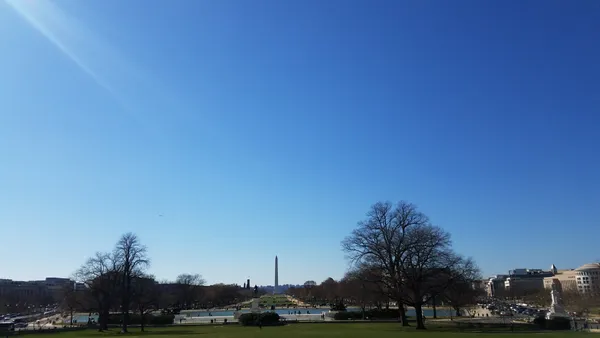
A large commemorative structure is being discussed ahead of America’s 250th anniversary
Plans under consideration in Washington would place a 250-foot-tall triumphal arch near the western end of the National Mall landscape, a scale that would exceed the height of the Lincoln Memorial and reshape one of the capital’s most symbolically dense corridors. The concept has been described as an “Independence Arch,” with the height framed as a “250 for 250” marker tied to the United States’ 250th anniversary on July 4, 2026.
The proposed site is Memorial Circle, the traffic circle at the western landing of Arlington Memorial Bridge, visually linking the Lincoln Memorial with Arlington National Cemetery. Because the location sits within a heavily regulated federal planning environment, the project’s future would hinge on a multi-agency review process and, depending on formal siting determinations, potential congressional action.
What is known about the concept and its proposed location
Design concepts circulated in recent months have depicted a monumental stone arch, with variations including decorative statuary and gilded elements. The White House has retained architect Nicolas Leo Charbonneau to work on the project. Officials have not released a final design package, construction schedule, or cost estimate.
Memorial Circle is controlled by the National Park Service and functions as both a transportation node and a ceremonial threshold. Preservation and design specialists have raised practical concerns about whether an arch placed in the center of a traffic circle could be accessed safely by pedestrians and how it would affect protected sightlines, including views between Arlington and the monumental core.
How the federal approval process could shape the outcome
New commemorative works on certain federal lands in Washington and its environs are governed by the Commemorative Works Act. The law sets standards intended to protect open space, existing public use, and cultural and natural resources, while also requiring federal design and planning reviews for eligible sites.
Under the current framework, both the Commission of Fine Arts and the National Capital Planning Commission play defined roles in reviewing the siting and design of commemorative works on land under National Park Service or General Services Administration jurisdiction. Placement decisions can also trigger congressional involvement, particularly for prominent areas where additional legislative approval may be required.
Institutional context and next decision points
The Commission of Fine Arts is now chaired by Rodney Mims Cook Jr., appointed on January 8, 2026. The commission’s membership and deliberations are likely to be closely watched because of its role in evaluating major additions to the capital’s monumental landscape.
Key near-term questions include whether planners pursue Memorial Circle or seek an alternate site, whether formal submissions are advanced for interagency review, and whether congressional action becomes necessary. Until a definitive site plan and design are filed for approval, the proposal remains a high-profile concept with significant procedural hurdles ahead.
- Proposed height: 250 feet
- Proposed site: Memorial Circle near Arlington Memorial Bridge
- Primary reviews: Commission of Fine Arts and National Capital Planning Commission
- Potential additional step: congressional approval depending on siting determinations
Major commemorative projects in Washington typically advance only after detailed design submissions and a sequence of federal reviews that weigh access, open space, and impacts on surrounding memorials.