Trash and recycling delays persist in some Washington neighborhoods weeks after January snowstorm disrupted collections
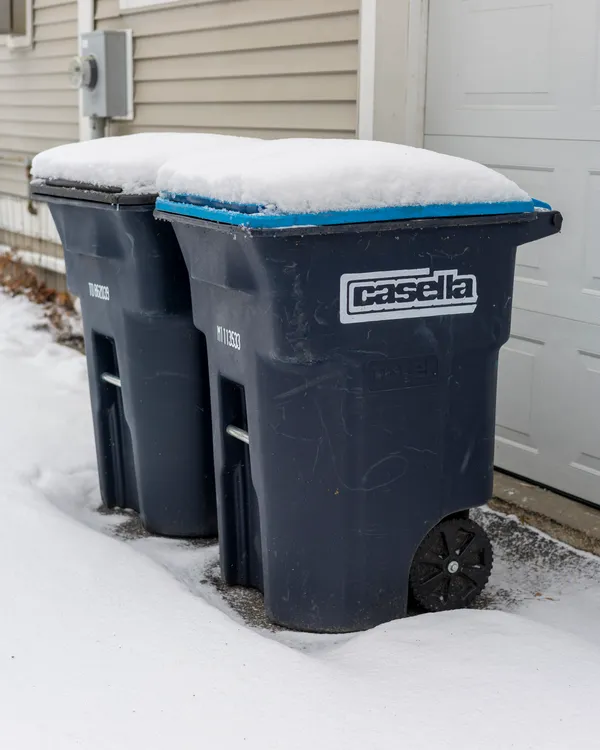
Delays continue after winter storm disrupted routine routes
Trash and recycling collection delays have persisted in parts of Washington, D.C., weeks after a late-January winter storm created prolonged ice and snow conditions that constrained access to neighborhood alleyways. While regular service has resumed citywide in principle, some blocks have experienced late pickups as crews work through routes affected by remaining ice, narrowed passages, and blocked cans.
Sanitation service disruptions began as the city shifted resources toward storm response and safety operations. During the height of the event, officials warned residents that accumulation in alleys could slow or prevent collections, and that delays could continue even after scheduled pickup days returned.
City response focused on reopening alley access
By the end of January, the District announced a phased restart of household collections, beginning with front-of-home pickups over the weekend of January 31–February 1, 2026. The city also expanded the use of compact equipment, including bobcats, to cut pathways into alleys so sanitation teams could reach containers that trucks could not safely access.
On February 1, 2026, the Department of Public Works said it would return to the normal collection schedule starting Monday, February 2, and advised residents to keep bins out until collected. The agency also indicated it would provide ongoing updates as crews progressed through impacted areas.
Why some neighborhoods were hit harder
D.C.’s collection system is split between frontside and alley service depending on address and neighborhood design. Alleys can become a bottleneck after storms because even small ridges of compacted snow and ice can prevent large collection trucks from turning or clearing overhead and side-to-side space. Where alleys remained constricted, crews have relied on workarounds, including clearing routes with smaller equipment and collecting materials on foot in some locations.
Residents in affected areas have been advised to leave containers accessible and to allow additional time for delayed pickups to be completed. When service is not completed within two days, residents can report missed collections through the city’s 311 system.
Operational constraints and disposal logistics
Winter operations have overlapped with the broader snow removal effort, including hauling hardened snow and ice out of neighborhoods. The city has also continued extended shifts to empty public litter cans while residential routes catch up.
Separately, the District’s solid waste disposal network has faced constraints. The Fort Totten Transfer Station has reopened, while the Benning Road Transfer Station remains temporarily closed until further notice—an operational detail that can affect how some materials move through the system, particularly for commercial and institutional haulers.
What residents can do now
Keep bins set out and accessible until collection is completed, especially after a missed pickup day.
If materials are not collected within two days, file a missed-collection request through 311.
Where feasible, clear a safe path to containers in alleys to support manual retrieval and reduce delays.
Even after routes formally return to normal schedules, the most ice-affected alleys can require days of catch-up work as crews regain access block by block.