Supreme Court Withholds Decision on Trump’s Emergency-Powers Tariffs, Extending Uncertainty for Importers and Trade Policy
Rulings released, but major trade-powers dispute remains unresolved
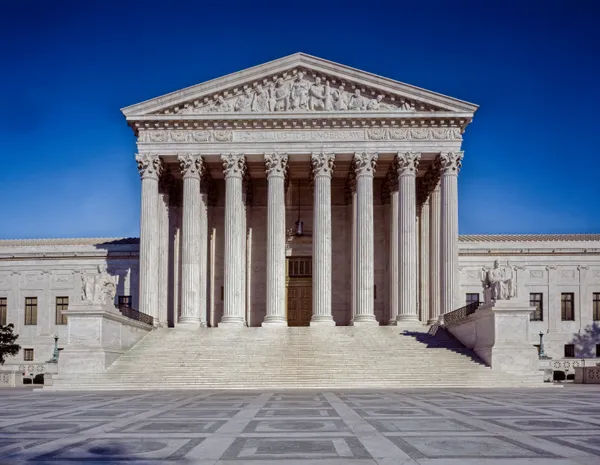
The U.S. Supreme Court has issued decisions in other cases while leaving undecided a high-stakes challenge to tariffs imposed under emergency economic authority during President Donald Trump’s second term. The Court has not announced when it will rule, consistent with its practice of not pre-disclosing which opinions will be released on any given decision day.
The pending case is being closely watched because it tests the boundaries of presidential power over trade and the scope of a statute more commonly associated with sanctions and financial restrictions than broad-based import duties.
What the case is about
The dispute centers on tariffs imposed through proclamations and executive orders that relied on the International Emergency Economic Powers Act of 1977. The legal questions before the Court include whether that law authorizes the tariffs at issue and, if so, whether such authority would amount to an unconstitutional delegation of Congress’s legislative power.
The challenge includes two principal categories of tariffs that have been litigated in lower courts: wide-ranging “reciprocal” tariffs affecting imports from numerous countries and separate tariffs tied to asserted national emergencies involving cross-border trafficking concerns.
How lower courts have ruled so far
A specialized federal trial court that hears trade disputes ruled in 2025 that the tariffs exceeded statutory authority. On appeal, a federal appellate court later agreed with the central conclusion that the tariffs went beyond what the emergency-powers statute permits, while additional procedural questions—such as the scope of injunctive relief—have also been contested.
Despite those rulings, the tariffs have not necessarily disappeared from day-to-day commerce during the litigation. Stays issued in the appellate process have allowed continued collection while the legal challenges proceed, keeping importers and supply-chain planners in a posture of legal and financial contingency.
What happened at the Supreme Court argument
During Supreme Court arguments held on November 5, 2025, questioning from justices across ideological lines reflected significant scrutiny of the administration’s position. Central themes included whether emergency economic authority can be used to impose tariffs of broad scope and duration, and whether doing so intrudes on Congress’s constitutional role in setting duties and taxes.
Why the delay matters
The lack of a decision prolongs uncertainty for businesses that import goods, as well as for trading partners evaluating how durable U.S. tariff policy will be under emergency declarations. The eventual ruling is expected to shape the practical and legal limits on the executive branch’s ability to use emergency statutes to reshape trade flows.
The Court’s decision could clarify whether emergency economic powers extend to tariff-setting at scale.
It could also address constitutional constraints on delegations of authority in matters with major economic consequences.
The outcome may affect whether importers could seek refunds for duties paid if the tariffs are ultimately invalidated and the decisions become enforceable.
The Court has not provided an explanation for the timing of the decision and has not set a public schedule for when it will release an opinion in the case.