Snowstorm 2026 in Washington: Where Sledding Is Allowed, Safety Risks, and What Officials Are Asking
A major snow-and-ice event reshapes weekend routines across the Washington region
A significant winter storm moved through the Washington, D.C., region on Sunday, January 25, 2026, bringing accumulating snow followed by sleet and freezing rain and creating hazardous travel conditions across the District, suburban Maryland and Northern Virginia. The precipitation type shift—snow to sleet, then freezing rain in some areas—has been a central operational concern because it reduces traction, complicates plowing and can increase the risk of power disruptions where ice loads build on trees and lines.
In the District, a Snow Emergency took effect at noon on Saturday, January 24, and is scheduled to remain in effect until 9:30 a.m. on Tuesday, January 27. Under the emergency declaration, parking restrictions apply on designated snow emergency routes, and vehicles left on those routes can be ticketed and towed.
Capitol Hill sledding: permitted again this winter
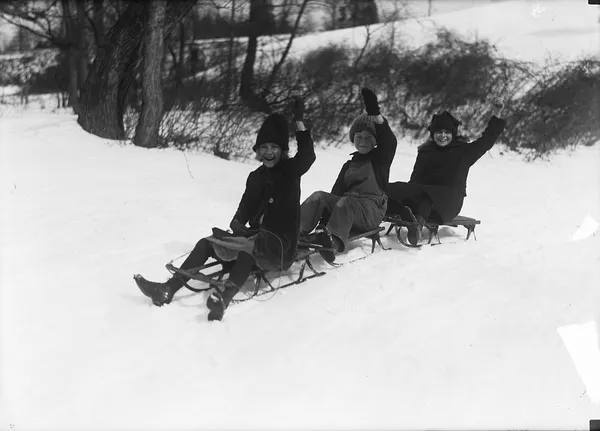
With measurable accumulation forecast and widespread school and office disruptions expected, one of the region’s most visible snow-day traditions—sledding on Capitol Hill—has been formally cleared to proceed. The U.S. Capitol Police confirmed ahead of the storm that the Capitol grounds would be open to sledders of all ages, following a recurring provision included in the annual Legislative Branch Appropriations process that directs police to refrain from enforcement against snow sledders on the grounds.
The West Front lawn has long drawn families because it offers a rare long, open grade in a dense urban setting. While access is permitted, conditions remain highly weather-dependent; sleet layers and freezing rain can create a hard, fast surface that increases the likelihood of falls and collisions.
Other sledding options and the rulebook governing them
Beyond Capitol Hill, some of the region’s best-known hills lie on federal parkland. In Rock Creek Park, winter activities including sledding are permitted on park trails when snow cover is sufficient. The park’s regulations prohibit sledding and similar activities on park roads and in parking areas open to motor vehicle traffic, while allowing non-motorized winter activities on specified road segments only when those sections are closed to vehicles.
- Choose wide, obstacle-free slopes with clear runout areas.
- Avoid roads, driveways, parking lots, and any slope ending near traffic.
- Assume surfaces may be icy after sleet or freezing rain, even when snow is present.
Cold exposure and emergency guidance
Local emergency messaging has emphasized limiting time outdoors, avoiding unnecessary driving during peak storm conditions and checking on neighbors—particularly older residents and people at higher risk for hypothermia. With temperatures expected to remain below freezing into the new week, officials are also urging residents and businesses to clear sidewalks promptly after the storm ends to keep pedestrian routes passable.
Residents are being asked to stay off roads where possible, prepare for prolonged slick conditions, and treat cold exposure as a primary safety risk alongside ice and snow.
Across the region, the practical reality of “sledding weather” this storm cycle depends not only on snowfall totals, but on the timing and severity of the storm’s transition to sleet and freezing rain—factors that can rapidly turn a snow day into an ice event.