Pumps Activated to Bypass Potomac Interceptor Break, Reducing Sewage Flow Into Potomac River Near Beltway
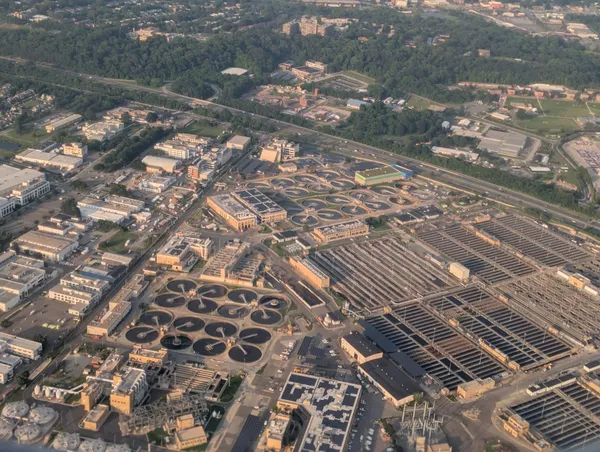
Emergency bypass aims to limit untreated wastewater as crews assess damage and plan repairs
Industrial pumps have been activated to divert sewage around a major break in the Potomac Interceptor, an aging regional sewer pipeline that carries wastewater toward the Blue Plains Advanced Wastewater Treatment Plant in Washington. The rupture, first reported on January 19, 2026, has sent large volumes of untreated wastewater into the Potomac River in Montgomery County, Maryland, near the Clara Barton Parkway and the Capital Beltway (I-495).
The damaged pipe is a large-diameter segment of the Potomac Interceptor system, a roughly 54-mile corridor built decades ago to convey wastewater from communities in Maryland and Northern Virginia. In dry-weather conditions, the line is designed to carry tens of millions of gallons per day. After the failure, officials estimated the overflow rate at up to about 40 million gallons per day, though the total amount released since the incident began has not been precisely quantified.
How the diversion works and what it changes
The response plan relies on installing multiple high-capacity pumps to route wastewater around the collapsed section and reduce discharges to the river. The bypass uses portions of the Chesapeake & Ohio Canal corridor as a controlled conveyance route before flows are returned to the sewer system downstream. After the pump system was brought online, officials reported reductions in overflow from manholes, though wastewater continued to escape from the area of the failure, including leakage associated with a sinkhole near the break.
The rupture occurred in a park-adjacent corridor along the Potomac, complicating access and requiring coordination with multiple jurisdictions.
Parts of Clara Barton Parkway have faced lane closures and traffic impacts as heavy equipment and crews work nearby.
Officials have warned the pumping system can be stressed by wet-weather flows if stormwater increases volumes entering the sewer network.
Public health and water supply considerations
Authorities have urged the public to avoid contact with any visible wastewater and to keep pets away from contaminated areas. Posted warnings in the vicinity have advised people to stay out of impacted sections of the river corridor due to health risks associated with untreated sewage.
Regional drinking water suppliers implemented precautionary operational measures following the spill and stated that treated drinking water remained safe, noting that wastewater infrastructure is separate from the drinking-water system and that key intake and treatment processes provide barriers to contamination.
Infrastructure context and next steps
The Potomac Interceptor has been the subject of ongoing rehabilitation planning and construction aimed at extending the life of critical segments and reducing the risk of catastrophic failures. Recent work in the Great Falls area brought a rehabilitated section into service in October 2025, and additional planning has included engineering studies such as subsurface investigations and rock-core sampling to evaluate options for future upgrades and redundancy.
Repair timing remains uncertain as crews continue to stabilize flows, assess the damaged segment, and determine the safest method to restore service while limiting further discharges.
Environmental monitoring has continued as the bypass operates, with officials tracking potential impacts to water quality and aquatic life while cleanup and containment efforts proceed.