Polymarket’s ‘Situation Room’ pop-up bar in Washington faced power failures that disrupted its debut weekend
A high-tech pop-up aimed at “monitoring the situation” encountered immediate operational setbacks
A promotional pop-up bar created by prediction-market platform Polymarket ran into electrical and power-distribution problems during its opening weekend in Washington, disrupting an experience built around dozens of screens and live data displays.
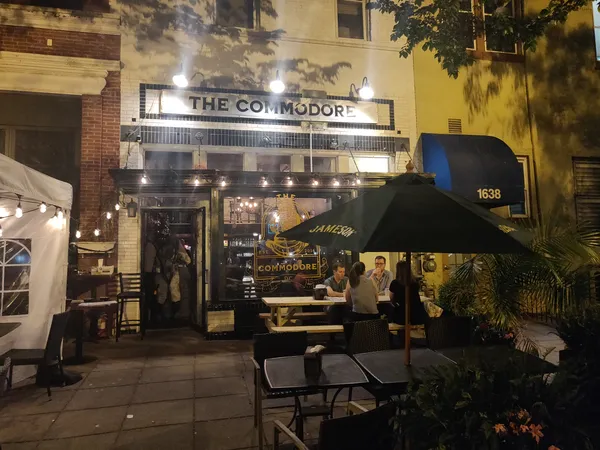
The venue, branded as the “Situation Room,” was advertised as a temporary, public-facing bar concept centered on real-time monitoring of news, markets and world events. The activation was scheduled as a weekend run beginning on Friday, March 20, 2026, and it took over an existing bar space near Foggy Bottom.
What the concept promised, and what failed
The pop-up’s core draw was its technology-heavy setup: organizers described a room designed around a dense array of displays and interactive elements meant to keep patrons focused on fast-moving developments. That dependence on electronics became a vulnerability as customers reported that many screens were not functioning because of power issues, undercutting the central premise of the event.
Accounts from attendees over the weekend described intermittent or widespread loss of functionality across the display setup. In those accounts, some elements continued operating while many screens did not, suggesting strain on on-site electrical capacity or distribution rather than a complete building blackout.
Why electricity is a practical constraint for pop-ups
Pop-up activations frequently rely on temporary buildouts—additional screens, networking equipment, lighting, and audio—that can significantly increase electrical load beyond typical bar operations. When those systems are added quickly, the practical limitations are often tied to how power is routed and protected on-site: the number of available circuits, breaker capacity, and the safe distribution of power to many devices at once.
In this case, the “Situation Room” concept emphasized an unusually high number of screens, amplifying the risk that the room’s power requirements would exceed what the space could reliably support without additional planning, equipment, or electrical work.
Broader context: Polymarket’s push for visibility in Washington
The D.C. activation comes as prediction markets draw heightened scrutiny and attention nationally, particularly when contracts track political decisions, conflicts, or government actions. The “Situation Room” branding also placed the pop-up squarely in the city’s political-cultural ecosystem, using the language and imagery of crisis monitoring as entertainment.
The botched opening illustrates a more basic reality of high-concept experiential marketing: even when an idea is built around information and technology, execution can hinge on infrastructure fundamentals such as reliable electrical capacity and contingency planning for failures.
- Event: “Situation Room” pop-up bar activation by Polymarket
- Location: near Foggy Bottom, Washington, D.C., inside an existing bar space
- Timing: opening weekend beginning Friday, March 20, 2026
- Disruption: reported power-related failures affecting screen and display operation
For an experience marketed around constant situational awareness, the debut weekend’s defining story became whether the room could keep its own screens on.