North Dakota National Guard deployment to Washington raises operational, legal, and readiness questions for states
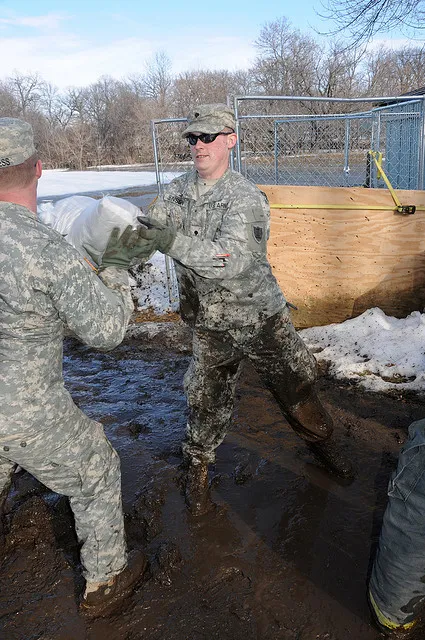
Deployment adds to multi-state Guard presence in the District
North Dakota is preparing to send members of its National Guard to Washington, D.C., adding to a continuing rotation of out-of-state Guard units supporting security and public-safety operations in the nation’s capital. The planned movement comes as federal authorities maintain an expanded National Guard footprint in Washington that began in August 2025 and has since been extended multiple times.
Federal documents and public statements over the past several months indicate the mission has involved a visible military presence in transportation hubs and public areas, alongside support functions intended to reinforce law enforcement capacity. The District’s unique status as a federal district gives the federal government broader authority over certain public-safety decisions than it has in states, a factor that has shaped the structure of the ongoing deployment.
Mission timeline and why it continues
The current phase of the Guard operation has been repeatedly prolonged. In January 2026, the mission was extended to keep Guard troops on Washington streets through the end of 2026, citing continuing operational conditions. Earlier extensions had carried the deployment into late February 2026, reflecting an evolving posture rather than a short-duration surge.
Several Republican-led states have already contributed units in recent months, and publicly available releases have described “presence patrols” and other support activity. The addition of North Dakota personnel fits a broader pattern of requesting forces from multiple states to sustain staffing levels over time.
Legal challenges and oversight
The extended deployment has also been accompanied by litigation and judicial scrutiny. Court actions in late 2025 addressed whether the federal government exceeded statutory authority in maintaining Guard forces for functions perceived as closely related to local policing. Separately, District officials have sought to end or narrow the mission, arguing it effectively creates a parallel security force operating within city limits.
While specific legal outcomes have varied across cases and procedural stages, the ongoing disputes have placed the mission’s scope, command arrangements, and permissible duties at the center of public debate, including questions about how the Guard can be used domestically without crossing prohibitions on direct law-enforcement activity.
Force protection and risk considerations
Operational risk has been highlighted by a shooting attack in Washington in late November 2025 that killed one National Guard service member and wounded another. Governors in several states issued formal observances and flag directives following the incident, underscoring that the assignment carries real security hazards even outside combat deployments.
- Deployment logistics typically include travel, lodging, and duty rotations that can span weeks or months.
- States must balance the Washington assignment against in-state readiness for weather emergencies and other contingencies.
- Extended rotations can increase personnel strain, particularly for units drawn from smaller Guard forces.
The planned North Dakota deployment adds to a sustained, multi-state National Guard mission in Washington that has shifted from temporary surge to extended operation.
What happens next
Key unanswered questions include how long the federal government intends to keep relying on out-of-state Guard rotations, the specific duties North Dakota personnel will be authorized to perform once on site, and whether courts or Congress will impose additional limits on the mission’s structure. For North Dakota, the deployment will also be watched for its effect on unit availability at home, particularly as the national capital’s security posture remains elevated through 2026.