New York City joins major Northeast hubs as nor’easter triggers mass flight cancellations and road restrictions
A fast-intensifying winter storm disrupts the I-95 corridor
A powerful nor’easter swept across the U.S. East Coast late Sunday into Monday, intensifying rapidly as it moved up the shoreline and producing blizzard conditions in parts of the Mid-Atlantic and New England. The storm brought heavy snowfall, high winds, and near-zero visibility across a densely populated corridor that includes New York City, Newark, Philadelphia, Washington, and Boston—creating widespread travel interruptions by air, road, and rail.
Conditions varied by location, but several metropolitan areas reported prolonged periods of heavy snow and strong wind gusts sufficient to meet the formal criteria for blizzard conditions. Local and state governments issued emergency measures that included travel restrictions, school closures, and transit adjustments as the storm peaked Monday.
Air travel hit hardest as cancellations spread across major hubs
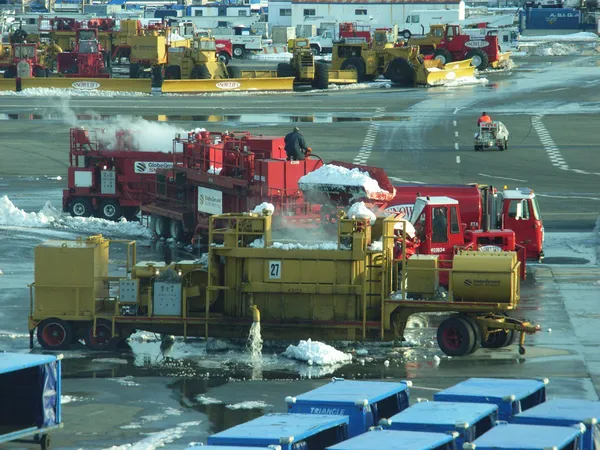
Airline operations across the Northeast deteriorated quickly as the storm intensified, with cancellations rising into the thousands and concentrated at the region’s busiest airports. New York City’s three major airports—John F. Kennedy International, LaGuardia, and Newark Liberty—reported near-total reductions in scheduled departures for extended periods. Boston Logan and Philadelphia International also saw exceptionally high cancellation rates, while airports serving Washington, D.C., experienced significant disruptions as crews managed snow and de-icing constraints.
Major U.S. carriers including Delta Air Lines, American Airlines, United Airlines, and JetBlue canceled large numbers of flights and implemented flexible rebooking policies. The operational impact spread beyond the Northeast because aircraft and crews positioned for later routes could not arrive on schedule, amplifying downstream delays nationwide.
Road restrictions, transit interruptions, and power outages compound disruptions
Public officials in several jurisdictions urged residents to stay off the roads, citing whiteout conditions, drifting snow, and limited visibility. New York City imposed a temporary restriction on non-essential travel overnight into Monday before easing it as conditions improved, while other localities in the region announced travel advisories and emergency declarations. In New Jersey and parts of New England, transit service reductions and temporary suspensions were implemented as winds and snow accumulation made operations unsafe.
Utilities across the storm’s path reported widespread outages as wind and heavy, wet snow damaged trees and power lines. Restoration efforts were slowed in some areas by hazardous road conditions and high winds.
What to watch next: cleanup timelines and continued travel impacts
While snowfall rates eased in some locations by late Monday, the recovery phase remained complex. Airports faced backlogs of aircraft repositioning, de-icing requirements, and crew availability constraints. Road crews in multiple states shifted from plowing during peak snowfall to widening lanes, clearing ramps, and addressing stranded vehicles and blocked secondary streets.
Even after precipitation tapers, travel impacts can persist for days due to equipment repositioning, runway clearing, and delayed rotations across the national aviation network.
- Air travelers should expect rebooking congestion and limited seat availability on key Northeast routes.
- Drivers should anticipate ongoing local restrictions, reduced lane capacity, and delayed municipal snow removal on residential streets.
- Commuters should monitor transit updates as agencies restore full service and address weather-related damage.
Officials across the region continued to emphasize caution as cleanup operations progressed and transportation systems worked to return to normal schedules.