Netanyahu heads to Washington to press Trump for broader terms in renewed US-Iran nuclear talks
Visit accelerated amid renewed diplomacy on Iran’s nuclear program
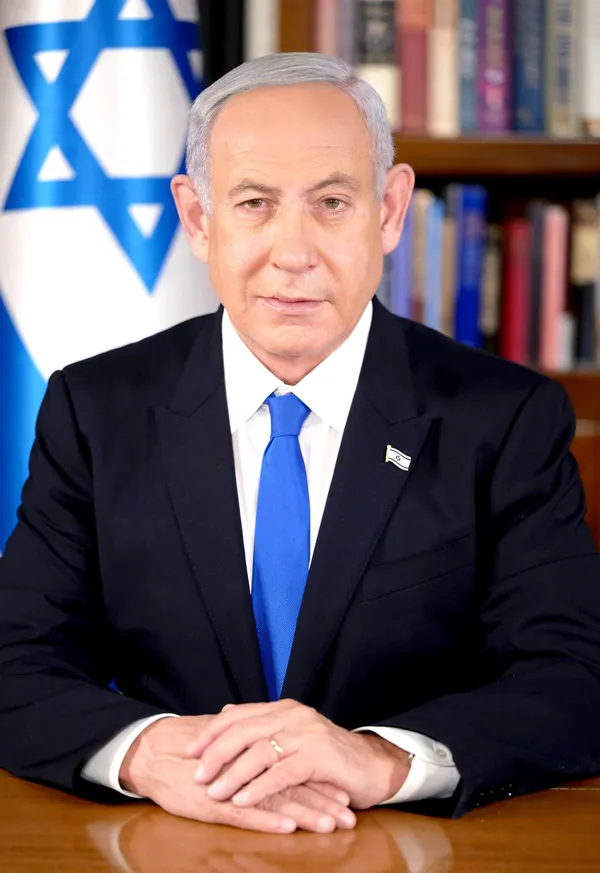
Israeli Prime Minister Benjamin Netanyahu is traveling to Washington for talks with U.S. President Donald Trump, after Israel moved up the timing of the visit as U.S.-Iran negotiations resume. Israeli officials have said the meeting will focus on the direction and scope of the U.S. talks with Iran and Israel’s expectations for any potential outcome.
The trip comes as indirect contacts between Washington and Tehran have taken place in Oman, a venue that has repeatedly served as an intermediary channel between the two countries. The renewed diplomatic track is unfolding against a backdrop of heightened regional tensions and long-running disputes over Iran’s nuclear activities, missile capabilities and support for allied armed groups across the Middle East.
Israel’s stated objectives: missiles and regional networks alongside nuclear limits
In announcing the meeting, Israeli officials framed Netanyahu’s goal as ensuring that any negotiation is not confined to the nuclear file alone. Israel’s position, as described by the prime minister’s office, is that a broader framework should also address Iran’s ballistic missile program and Iran’s support for allied groups that Israel and the United States have long identified as destabilizing actors in the region.
Those demands reflect an enduring Israeli concern: that a narrower nuclear-only arrangement could reduce immediate nuclear risks while leaving other military capabilities and regional leverage intact. Israeli policymakers have argued in past negotiating cycles that sanctions relief and expanded economic space for Iran could translate into greater resources for military development and regional partnerships.
What the U.S. and Iran are signaling publicly
Public messaging from the U.S. and Iran has indicated differing red lines. U.S. statements in recent days have emphasized progress in talks, while Iranian officials have repeatedly treated missile and defense capabilities as outside the scope of negotiation. The result is a familiar gap between what Washington and Jerusalem have sought in comprehensive terms and what Tehran has signaled it will consider negotiable.
In parallel with the diplomatic track, U.S. military posture in the region has remained a visible element of pressure and deterrence, underscoring that negotiations are proceeding while the broader security environment remains unsettled.
Key issues likely to be tested in Washington meetings
- Whether the U.S. negotiating agenda will expand beyond nuclear constraints to include ballistic missiles and regional activity.
- What verification and enforcement mechanisms would apply to any commitments, particularly around sensitive nuclear steps such as enrichment.
- How Washington would address Israel’s demand for constraints that it considers essential to its security planning.
- Whether timelines for talks and any interim understandings could affect regional military calculations.
Israeli officials have said Netanyahu’s message in Washington will be that negotiations should include limits on ballistic missiles and an end to support for Iran’s regional axis.
The Washington meetings are expected to clarify how closely aligned the U.S. and Israel are on negotiating priorities as diplomacy with Tehran continues in the days ahead.