Netanyahu and Trump to meet in Washington as U.S.-Iran nuclear talks resume through Oman mediation
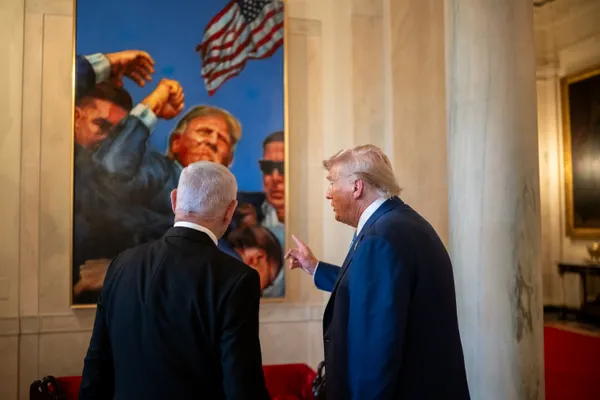
Meeting set as indirect U.S.-Iran negotiations restart
Israeli Prime Minister Benjamin Netanyahu is scheduled to meet President Donald Trump in Washington next week, with Iran’s nuclear program and the direction of renewed U.S.-Iran diplomacy expected to feature prominently on the agenda. The White House meeting comes days after U.S. and Iranian representatives held indirect talks in Muscat, Oman, reviving a negotiating track that both sides have described as a constructive opening phase.
The Oman format again places intermediaries between the American and Iranian delegations, reflecting the continued absence of direct diplomatic engagement. The talks are focused on Iran’s nuclear activities, while key points of contention remain the scope of any agreement, sequencing of steps, and verification mechanisms.
Israel’s demands: missiles, proxies, and enforceable limits
Netanyahu has publicly argued that any arrangement with Tehran must go beyond constraints on uranium enrichment and include limits on Iran’s ballistic missile program and an end to Iranian support for armed groups across the region. Iranian officials, meanwhile, have maintained that negotiations should remain narrowly centered on the nuclear file and proceed without threats.
The gap between these positions is central to the Washington discussions. Israel has long sought broader restrictions, viewing Iran’s missile capabilities and regional networks as integral to the strategic threat. Iran has historically resisted expanding nuclear talks into other security domains, treating missile development and regional partnerships as sovereign security matters.
Signals from Washington: elevated security framing
The U.S. approach has included a more explicit security posture alongside diplomacy. In the Oman round, a senior U.S. military commander participated in the process, a move that underscores how the administration is blending deterrence messaging with negotiations. U.S. officials have also indicated interest in addressing a wider set of security concerns linked to Iran’s capabilities and regional actions.
The administration’s challenge is to test whether a nuclear framework can be rebuilt while also managing demands from allies and domestic stakeholders for a tougher, more comprehensive agreement. The inclusion of additional security issues could broaden leverage but also complicate talks and slow timelines.
Regional context: high tensions after a year of escalations
The diplomatic push unfolds amid persistent regional volatility and heightened concern about escalation risks. Gulf states and other regional actors are closely watching the trajectory of the talks, weighing the prospects of sanctions relief and de-escalation against the possibility that negotiations fail and confrontation intensifies.
Key unresolved questions include the scope of limits on Iran’s nuclear program, inspection and monitoring arrangements, and the timing of any sanctions-related steps.
Israel is expected to press for strict constraints and robust enforcement, while Iran is expected to seek tangible economic relief tied to measurable nuclear commitments.
The Washington meeting is poised to test whether U.S. diplomacy with Iran can proceed while maintaining alignment with Israel’s security red lines.
Neither government has released a detailed readout of the expected agenda beyond Iran and regional security. The meeting’s outcome is likely to shape the U.S. negotiating posture ahead of any subsequent Oman-mediated sessions and influence how allies assess the credibility and durability of any emerging framework.