National Zoo’s baby Asian elephant, Linh Mai, to debut for visitors on Earth Day 2026
A rare milestone for the Zoo’s elephant program
A female Asian elephant calf named Linh Mai is expected to begin welcoming visitors at the Smithsonian’s National Zoo starting Earth Day, April 22, 2026. The calf’s arrival marks the first Asian elephant birth at the Zoo in nearly 25 years, a notable development for a species classified as endangered.
Linh Mai was born at 1:15 a.m. on Feb. 2, 2026. At birth, she weighed about 308 pounds (140 kilograms) and measured roughly 38.5 inches tall. Her mother is Nhi Linh, a first-time mother, and her father is Spike, an adult male in the Zoo’s herd.
Early care focused on safety and bonding
In the hours after delivery, animal-care staff separated the newborn into an adjacent space after observing maternal behaviors that created safety concerns. Care teams described the reaction as consistent with challenges sometimes seen in first-time mothers that have not previously interacted with a calf.
The Zoo’s elephant staff then managed introductions and monitored interactions as the calf began to meet other herd members. Those steps are part of a controlled process designed to build social bonds while reducing risk to the calf and the adult elephants.
Linh Mai’s first public appearances are expected to follow a structured approach: gradual time on exhibit, continued health monitoring and flexibility for animal-care needs.
What visitors should know ahead of Earth Day
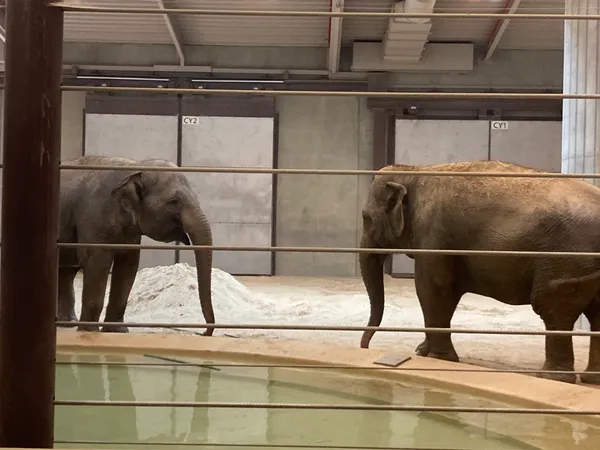
The National Zoo has free admission, and the elephants are housed in the Elephant Trails area. The Zoo has also continued providing public updates about the calf and the herd, including background information on the elephants currently at the facility and the calf’s growth and integration.
Calf: Linh Mai, female, born Feb. 2, 2026.
Parents: Nhi Linh (mother) and Spike (father).
Birth measurements: approximately 308 pounds and 38.5 inches tall.
Public viewing: planned to begin on Earth Day, April 22, 2026, subject to animal-care considerations.
Conservation context
Asian elephants face continuing pressure in the wild, including habitat loss and fragmentation, which has contributed to long-term population declines. Within professional zoological care, births can support managed populations and enable research on reproduction, behavior, endocrinology, genetics and disease—work that institutions say can inform conservation strategies beyond zoo settings.
For the National Zoo, the Earth Day timing ties a high-profile animal milestone to broader environmental programming, while keeping the primary focus on the calf’s welfare and safe, stable herd dynamics as she transitions to regular public viewing.