Motorcyclist dies weeks after DC-295 crash, highlighting persistent safety risks on the District’s highway corridors
Death confirmed after delayed complications from DC-295 collision
A motorcyclist has died roughly two weeks after being critically injured in a crash on DC-295, a timeline that underscores how roadway collisions can remain medically and legally active long after the initial impact. In such cases, investigators typically treat the event as a traffic fatality once the injured rider succumbs, even if the death occurs days or weeks later.
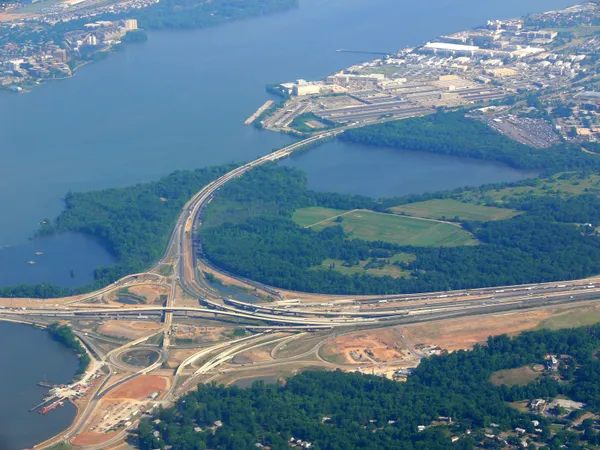
DC-295, a major limited-access route through Southeast Washington, has long been the site of severe crashes involving high speeds, merging traffic, and limited shoulders. The corridor’s design concentrates risk at ramps and exits where vehicles change lanes quickly and sightlines can narrow—conditions that can be especially dangerous for motorcyclists, who have less physical protection and can be harder for other drivers to detect.
What is known about delayed fatalities after highway crashes
When a rider survives the initial collision but later dies from injuries, the fatality is generally tied to the original crash event. That classification can affect the scope of the crash reconstruction and the investigative timeline, including witness canvassing and review of available video. It can also shape any subsequent charging decisions if investigators determine a driver’s conduct met a criminal threshold.
Delayed fatalities are not rare in high-energy crashes, particularly those involving motorcycles. Even with immediate emergency care, riders can sustain traumatic brain injuries, internal bleeding, or multi-system trauma that leads to complications later. The interval between crash and death can also make it harder to preserve evidence and secure independent witness accounts, increasing the importance of early scene documentation.
Key safety factors on DC-295 that investigators routinely examine
Speed and lane changes: Highway crashes involving motorcycles often escalate in severity when a vehicle is traveling above prevailing traffic speeds or crossing multiple lanes in short distances.
Merging and ramp conflicts: The stretch near interchanges can create sudden braking and tight gaps that leave riders with little time to react.
Visibility and following distance: Investigations commonly evaluate whether the motorcycle was visible to other drivers and whether safe spacing was maintained.
Impairment and distraction indicators: Standard crash investigations evaluate potential impairment and driver distraction when evidence supports those lines of inquiry.
In major-injury highway crashes, the most consequential findings often come from reconstruction work that clarifies speed, lane position, and the sequence of impacts.
Why the case matters for traffic safety in Washington
The death adds to ongoing concerns about serious and fatal crashes on the District’s high-speed roadways. Safety experts have repeatedly emphasized that reducing deadly outcomes on corridors like DC-295 typically depends on a mix of enforcement, engineering changes that reduce conflict points, and driver behavior—especially speed control and disciplined lane use.
The investigation into the crash and subsequent death remains a key step in determining precisely what happened and whether any violations contributed to the rider’s injuries.