Midweek snow possible across Washington, Maryland and Virginia as colder air returns to the DC region
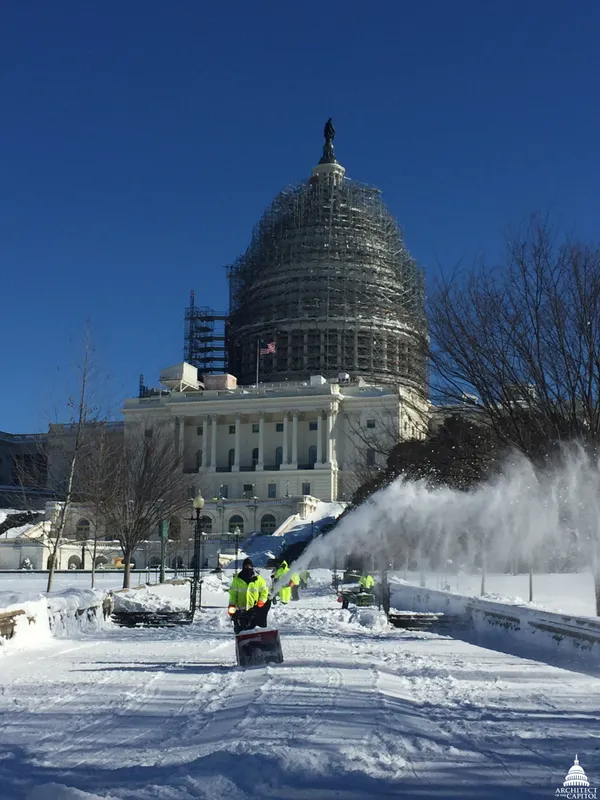
Colder pattern keeps winter hazards in play across the District and surrounding suburbs
The Washington region begins the week in a colder-than-usual pattern that is expected to persist into mid-February, keeping the door open for additional wintry precipitation across the District, suburban Maryland and Northern Virginia. Forecast guidance points to a brief period of less extreme cold early in the week, followed by the return of Arctic air and at least one window for light snow around the middle of the workweek.
Local forecasting signals show temperatures moderating slightly on Tuesday compared with the weekend cold, but remaining near or below seasonal levels. The most likely timing for snow in the immediate D.C. metro is late Tuesday night into Wednesday morning, with potential accumulation generally limited to a coating up to about an inch in many neighborhoods. Even small amounts can create travel problems when pavement temperatures are low and precipitation occurs near the morning commute.
What to watch: timing, temperature and road conditions
Forecast confidence is highest for continued cold and lower for exact snowfall totals because minor shifts in storm track and surface temperatures can change precipitation type and accumulation. For the core metro area, the midweek concern is less about deep snow and more about intermittent slick spots, especially on untreated roads, bridges and shaded surfaces.
Late Tuesday into Wednesday morning: Light snow is possible, with limited accumulation in many locations.
Wednesday commute risk: Even minimal snow can combine with subfreezing temperatures to reduce traction and visibility.
Late week into the weekend: Another surge of colder air is expected, increasing the risk of refreezing where moisture lingers.
Broader setup: cold favored across the Mid-Atlantic
National outlooks for early February favor below-normal temperatures across the Mid-Atlantic, consistent with a pattern that supports repeated cold intrusions. That backdrop does not guarantee major snowstorms, but it increases the likelihood that any precipitation events that do occur can fall as snow or a wintry mix, particularly outside the urban core and at higher elevations.
In the Washington region, small midweek snow events often have outsized impacts when the air is cold enough to prevent rapid melting.
Context: February is historically a high-variance snow month in Washington
Climatologically, February is one of the region’s most active winter months, capable of producing anything from prolonged dry cold to high-impact snow events. The first half of February also falls within the period when large temperature contrasts along the East Coast can support stronger storms.
For residents, the practical takeaway is preparedness for rapidly changing conditions: allow extra travel time during the midweek window, monitor updated advisories, and expect that lingering snow and ice from prior events can persist longer when repeated cold blasts limit melting.