Lawsuit challenges federal actions affecting East Potomac Park golf course and broader oversight of DC public links
A new court fight over a public course intersects with a broader dispute about who controls three historic sites
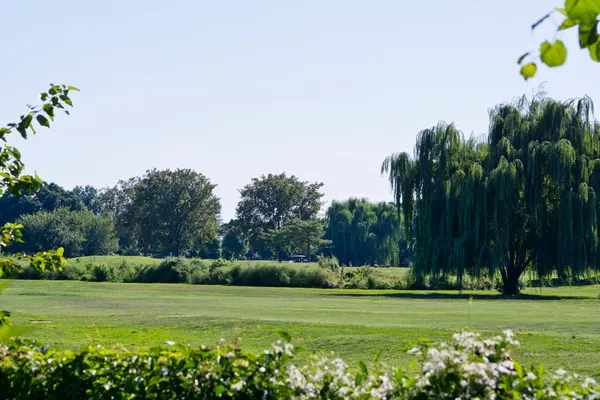
A legal challenge filed in February 2026 is contesting federal actions affecting East Potomac Park and its public golf course, intensifying a widening conflict over the future of Washington’s three public courses on federal land: East Potomac Golf Links, Rock Creek Park Golf Course, and Langston Golf Course.
The lawsuit was brought by two District residents alongside the DC Preservation League. It targets what the plaintiffs describe as unlawful activity at East Potomac Park tied to an effort to convert the existing public recreation space into a higher-end golf facility. The filing also raises safety concerns related to dumping at the park and argues the actions are inconsistent with longstanding requirements that the park remain a public recreational space.
Lease termination reshaped control of municipal golf in the District
The court challenge follows a major administrative shift that reshaped the governance of the city’s public golf. On December 31, 2025, the Department of the Interior terminated the long-term lease held by National Links Trust, the nonprofit that had operated the three courses since 2020 under a 50-year agreement. Federal officials said the termination was driven by alleged failures to complete required capital improvements and to meet lease terms.
National Links Trust disputed that it was in violation and said it remained focused on preserving affordable, accessible public golf in Washington. The lease termination introduced uncertainty about who would manage the courses going forward and whether previously approved plans would proceed.
Rock Creek renovation approvals and environmental review remain central to the dispute
Separately from the East Potomac litigation, the Rock Creek Park Golf Course has been at the center of an extended planning and review process that included federal environmental analysis and high levels of public engagement. The National Park Service completed an Environmental Assessment and issued a Finding of No Significant Impact on March 28, 2024 for a rehabilitation of the approximately 100-year-old facility.
On September 5, 2024, the National Capital Planning Commission approved final plans for the Rock Creek project after more than six hours of public testimony. The approved concept included reconfiguring golf offerings into two nine-hole layouts, adding a driving range and new clubhouse facilities, and implementing mitigation measures related to tree removal, lighting, stormwater, and habitat impacts. Federal planners said the final design reduced tree removal from earlier proposals and included a commitment to plant three native trees for every healthy native tree removed.
After the 2025 lease termination, the Rock Creek rehabilitation has been described by the operator as paused, leaving open questions about timing, financing, and which entity would implement the permitted work.
What the litigation may determine
The East Potomac case puts a spotlight on the scope of federal authority over parkland in the District and the legal constraints that govern changes to public recreational assets. More broadly, the dispute over leases and planned capital work sets up a high-stakes test of how environmental review, historic preservation considerations, and public-access commitments are applied to the National Park Service’s recreational facilities in Washington.
- Whether alleged dumping and site alterations at East Potomac violate applicable legal requirements and safety standards.
- Whether management changes will halt, revise, or accelerate previously approved rehabilitation work at Rock Creek.
- How future control decisions may affect public pricing, access, and programming at East Potomac, Rock Creek, and Langston.
At the core of the dispute is whether federally owned parkland hosting public golf can be materially reworked without undermining public recreation obligations and completed review processes.