Kennedy Center programming chief Kevin Couch resigns within two weeks, amid leadership changes and cancellations
A rapid exit after a high-profile appointment
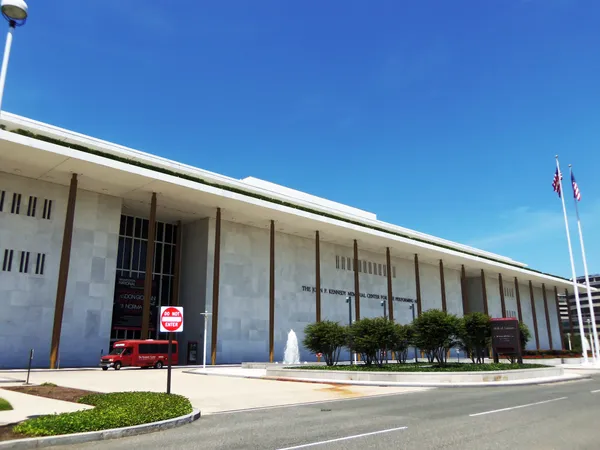
The John F. Kennedy Center for the Performing Arts has lost its newly announced head of artistic programming less than two weeks after his hiring was made public, deepening uncertainty around the institution’s programming direction during a period of major leadership transition.
Kevin Couch, who had been named senior vice president of artistic programming, confirmed that he resigned shortly after the Kennedy Center announced his appointment on January 16, 2026, and promoted the news again on January 22. Couch did not provide a reason for his departure. The Kennedy Center did not issue an immediate public explanation, and Couch’s name was removed from the institution’s executive leadership listings in the days following his resignation.
What the role oversees and why the timing matters
The senior vice president of artistic programming is a central role in shaping an arts institution’s creative calendar, including the selection and sequencing of performances and partnerships that help define both cultural mission and revenue stability. Couch’s brief tenure leaves the Kennedy Center facing the near-term task of managing bookings and stakeholder relationships without continuity at the top of its programming operation.
In its hiring announcement, the Kennedy Center had presented Couch as an experienced programmer with a background spanning live entertainment and branding. His most recent programming work included booking touring acts across multiple U.S. venues. The center framed the hire as part of an effort to broaden audience appeal through what it described as “commonsense programming.”
Institutional turbulence and artist withdrawals
Couch’s resignation occurred as the Kennedy Center confronts sustained attention over governance and branding changes put in motion following a board and leadership overhaul. The shift has become a flashpoint for debate over whether national cultural institutions can remain insulated from partisan conflict while relying on public stature, philanthropic support, and artist participation.
In recent days, several high-profile artists publicly withdrew from planned appearances and collaborations. Those withdrawals included cancellations by composer Philip Glass and soprano Renée Fleming, among others, framed by the artists as responses to the Kennedy Center’s new direction and leadership environment.
Operational implications for programming and public confidence
The immediate effect of Couch’s departure is practical: scheduling, contracts, and curatorial planning typically operate on long lead times, and sudden turnover can complicate decisions ranging from which productions to prioritize to how the institution communicates its identity to audiences and donors.
More broadly, the episode adds to a developing narrative of instability at one of the country’s most prominent performing arts centers, where leadership shifts and artist reactions are increasingly intertwined with public perception and future bookings.
- Hire announced: January 16, 2026; amplified by the Kennedy Center on January 22.
- Resignation confirmed: late January 2026, less than two weeks after the announcement.
- No reason publicly provided by Couch; no detailed institutional explanation issued at the time of reporting.
The Kennedy Center now faces the dual challenge of filling a key programming post and stabilizing relationships with artists and audiences amid continuing scrutiny of its leadership transition.