Kalshi Opens a Washington Office and Expands Government Relations Amid Rising Scrutiny of Prediction Markets
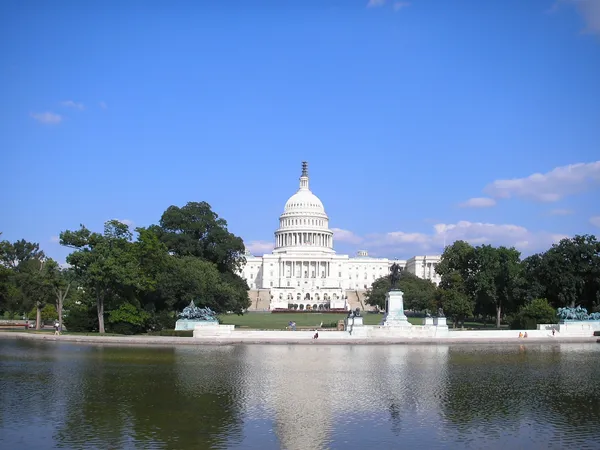
A regulated prediction-market operator brings its policy operation closer to federal decision-makers
Kalshi, a U.S. operator of event-based “prediction markets,” has opened an office in Washington, D.C., and appointed its first head of federal government relations as it seeks deeper engagement with policymakers at a time of heightened attention on how these markets should be overseen. The company also added a dedicated lead for state-level policy work, signaling a dual-track strategy that reflects the split between federal financial regulation and state gambling enforcement.
The expansion comes as prediction markets—contracts that pay out based on whether a specific outcome occurs—have moved from niche products into higher-volume trading, especially around sports and elections. Kalshi operates under the federal derivatives framework overseen by the Commodity Futures Trading Commission (CFTC) and has described its business as an exchange model rather than a sportsbook. In addition to its exchange registration, the company has a clearing affiliate registered as a derivatives clearing organization.
Key hires indicate a push on both federal and state fronts
To lead federal engagement, Kalshi hired John Bivona as its first head of federal government relations. Bivona has worked in Democratic politics and held a federal liaison role at the Department of Homeland Security during the Biden administration, along with senior positions connected to congressional campaign efforts. The hire places an experienced Washington operator at the center of Kalshi’s outreach to lawmakers, regulators, and executive-branch officials.
Kalshi also named Blake Bee to lead state-level government relations. Bee previously worked in state and local public policy roles at Amazon and has experience engaging with state attorneys general. The state appointment underscores that, even with federal registration, the company faces jurisdictional and enforcement disputes in multiple states over contracts tied to sporting events.
Regulatory questions remain central to the business model
At issue is whether certain event contracts—particularly sports-related contracts—function in practice like sports wagering, an activity typically regulated by states, or whether they fall squarely within the federal commodities and derivatives regime. The dispute has led to enforcement actions and litigation in several jurisdictions, with outcomes varying by venue and procedural posture.
Beyond sports, political-event contracts have also drawn controversy over the past several years, including CFTC actions to block certain political contracts and subsequent litigation. The broader regulatory picture continues to evolve as exchanges and market participants test the boundaries of what event contracts can cover.
Why a Washington footprint matters
Federal proximity: A D.C. office can streamline engagement with regulators and congressional offices that shape derivatives oversight.
Policy coordination: The added state-government role suggests an effort to respond quickly to actions by state regulators.
Industry positioning: As prediction markets become more mainstream, companies are increasingly building formal government-relations capacity.
Kalshi’s Washington expansion reflects an intensifying debate over whether fast-growing event markets should be treated primarily as financial products or as a form of wagering subject to state gaming rules.
Kalshi has not disclosed detailed operational plans for the D.C. office beyond its government-relations focus. The company’s next regulatory milestones will likely be shaped by ongoing litigation, state-by-state enforcement activity, and any federal policymaking that clarifies how event contracts are treated—particularly when they track outcomes traditionally associated with gambling markets.