Justice Department releases millions of Epstein investigation records under 2025 transparency law, with broad victim protections
A major disclosure under a new federal transparency mandate
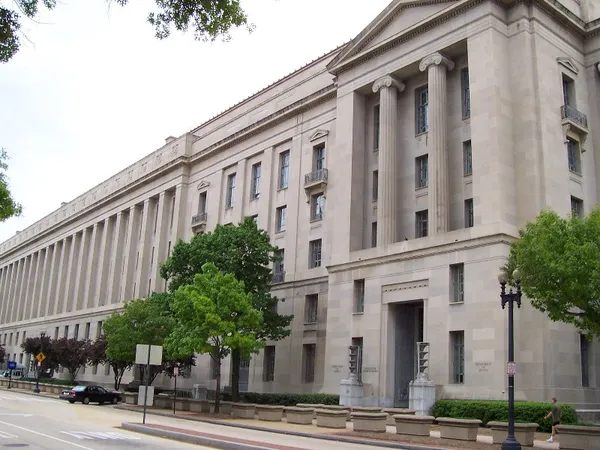
The U.S. Department of Justice on January 30, 2026, published a large new tranche of records tied to federal investigations of financier Jeffrey Epstein, expanding the publicly available archive to more than three million additional pages of material. The release also includes more than 2,000 videos and roughly 180,000 images, with extensive redactions intended to prevent victim identification and to restrict access to graphic or illegal content.
The publication is part of a congressionally mandated disclosure effort created by the Epstein Files Transparency Act, enacted in November 2025. The law requires the Attorney General to make publicly available, in a searchable and downloadable format, all unclassified records in the Justice Department’s possession relating to investigations and prosecutions connected to Epstein and, explicitly, materials tied to Ghislaine Maxwell.
What the law allows the government to redact or withhold
The statute prohibits delaying, withholding, or redacting records because of embarrassment, reputational harm, or political sensitivity, including for government officials, public figures, or foreign dignitaries. It permits redactions or withholdings for narrowly defined categories such as personally identifying information and private or medical files of victims; child sexual abuse material; items that would jeopardize an active federal investigation or ongoing prosecution; depictions of death, physical abuse, or injury; and properly classified national security information.
- Victim privacy protections are expressly required, including removal of identifying details.
- Child sexual abuse material is not eligible for public release.
- Active-investigation exceptions must be narrowly tailored and described as temporary.
Scope of the released material and what it covers
Officials described the newly posted records as drawn from more than two decades of investigative activity. The material spans the earlier Florida case, later federal investigations in New York, the Maxwell prosecution, and records relating to Epstein’s death in federal custody in 2019. Epstein died by suicide while detained on federal sex trafficking charges. Maxwell was convicted in 2021 for crimes connected to Epstein’s trafficking of teenage girls and received a 20-year prison sentence.
Compliance disputes and oversight pressure
The Justice Department’s January 30 release arrives after a public dispute about timing and completeness. The law set a 30-day publication timeline from enactment, placing the initial deadline on December 19, 2025. The Department did release material in December, but lawmakers and outside advocates argued it did not satisfy the statute’s requirements and raised concerns about the scope of redactions and the pace of production.
Under the statute, the Attorney General must provide Congress, within 15 days of completing the required release, a report listing categories of records released and withheld, summarizing redactions with legal bases, and identifying government officials and politically exposed persons referenced in the released materials.
What remains unresolved
The latest tranche substantially expands public access to investigative records, but it does not end questions about how much material remains nonpublic under the law’s permitted exceptions, how disputes over redactions will be resolved, and whether additional oversight mechanisms will be invoked to evaluate the Department’s implementation of the transparency mandate.