Jane Fonda and hundreds of artists revive a historic committee to defend First Amendment rights in Washington
A Cold War-era name returns amid modern debates over censorship and political pressure
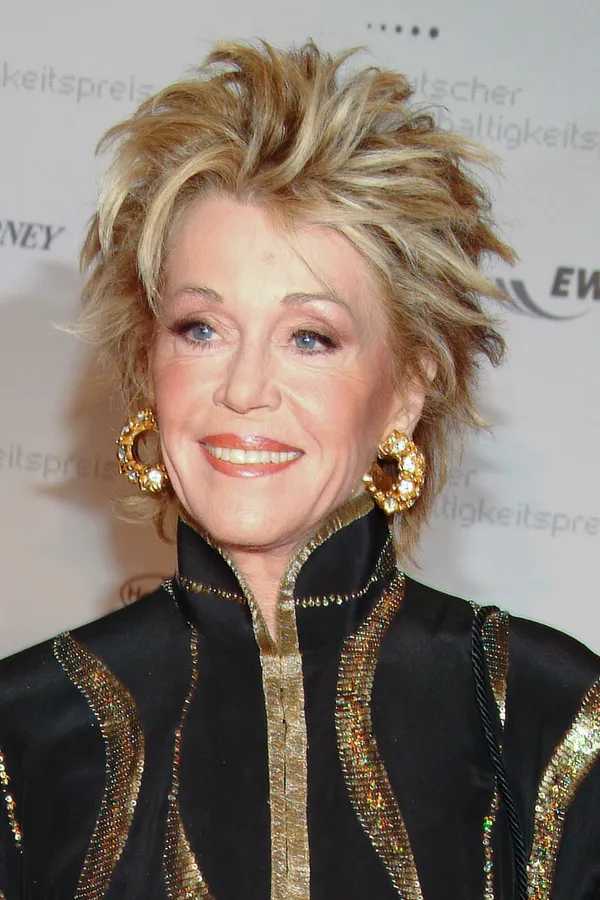
Actor and activist Jane Fonda has launched a new incarnation of the Committee for the First Amendment, a Hollywood-led initiative first created in 1947 during the House Un-American Activities Committee (HUAC) investigations into alleged communist influence in the motion picture industry. The revived effort, announced with the backing of hundreds of entertainment figures, frames its purpose as a defense of free speech and free expression amid what the group describes as renewed pressure on critics across multiple sectors.
The committee’s relaunch draws a direct line to its original formation in September 1947, when prominent film-industry figures organized publicly in response to HUAC hearings. Ten screenwriters and directors later known as the “Hollywood Ten” refused to answer certain questions, arguing constitutional protections; they were cited for contempt of Congress and, as the postwar anti-communist campaign intensified, became central symbols of the Hollywood blacklist era.
Historical backdrop: HUAC, the Hollywood Ten, and the blacklist
HUAC began as a special House committee in the late 1930s and became a standing committee in 1945. During the early Cold War, it conducted high-profile investigations into alleged communist activity, including hearings focused on Hollywood in 1947 and later years. Critics at the time argued the committee’s tactics chilled speech and association; supporters framed the hearings as necessary national-security oversight.
In late 1947, studio executives issued what became known as the Waldorf Statement, signaling they would not employ members of the Hollywood Ten unless they were cleared or provided testimony. Appeals dragged on, and several of the Hollywood Ten served jail terms after their legal avenues narrowed—an episode widely cited in legal and historical literature as a flashpoint in debates over congressional power, civil liberties, and cultural conformity.
What the revived committee says it will do
The new committee has published a mission statement asserting that free speech and free expression are core constitutional rights that apply across political viewpoints. It describes its approach as building a broad coalition of artists and public figures to oppose censorship and retaliation directed at dissenting voices.
- Re-establish a recognizable banner associated with past fights over speech and political tests in entertainment and public life.
- Coordinate public messaging among a large roster of signatories spanning film, television, music, and comedy.
- Highlight contemporary controversies the group characterizes as intimidation or punitive action against speech.
Context: The committee’s original 1947 campaign emerged when artists publicly contested congressional inquiries into political beliefs; its relaunch invokes that precedent while arguing the underlying civil-liberties questions remain unsettled.
Why Washington matters in the committee’s story
Washington is central both symbolically and historically. The 1947 confrontation that spurred the committee’s formation revolved around congressional hearings held in the nation’s capital. By reviving the committee’s name and mission, organizers are again placing the First Amendment’s boundaries—between government inquiry, private retaliation, and the public’s tolerance for dissent—at the center of national political debate.