How Washington’s Fireboat 1 Was Used to Break Potomac River Ice and Protect Winter Navigation
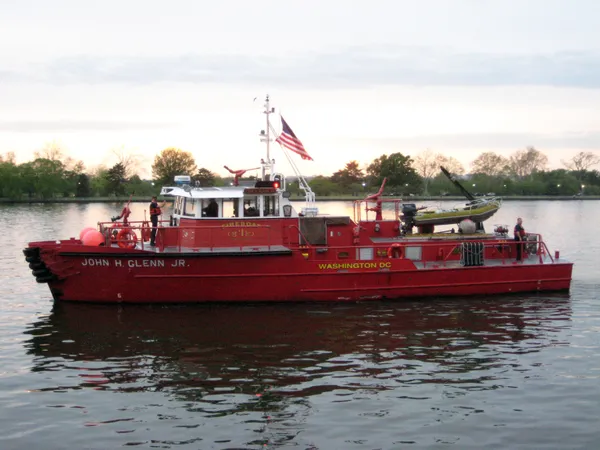
Icebreaking mission on a working fireboat
Washington’s Fireboat 1, the John H. Glenn Jr., was used in recent days to break and clear ice on the Potomac River as prolonged cold conditions tightened winter hazards for navigation in the region’s tidal waters. The operation highlighted a lesser-known public-safety role of the vessel: maintaining access on waterways where ice can restrict emergency response and complicate maritime movement.
Local waterways can ice over during sustained low temperatures, and strong winds can worsen conditions by pushing ice into thicker, more obstructive formations. Federal marine weather alerts issued for the tidal Potomac in late January warned mariners of hazardous freezing spray and gale conditions—factors that can accelerate ice buildup on vessels and create unstable operating conditions on the water.
Why clearing ice matters for safety and response times
In the District, icebreaking is not a routine daily service but becomes operationally important when channels and marinas begin to close in. Clearing ice can help ensure that response craft can reach emergencies quickly and that critical areas remain accessible for public-safety operations. The same marine unit that fights fires and supports rescues on the Potomac and Anacostia can also be tasked with opening passages for vessels that might otherwise be trapped or delayed.
Winter river conditions add complexity to rescue operations: low water temperatures, reduced maneuverability, limited traction for personnel on ice, and rapid onset of hypothermia risks. In those circumstances, the ability to approach a scene through broken ice can determine whether responders can safely position boats, deploy equipment, and retrieve people or animals without placing crews at additional risk.
A specialized capability on an aging platform
The John H. Glenn Jr. is a 71-foot fireboat built in 1962 and acquired by the District in 1977. Its bow was reinforced in 1984, enabling it to serve as an icebreaker during winter operations. The vessel’s fire-suppression mission remains central—its pumps are designed to deliver large volumes of water for marine and shoreline firefighting—but its ability to work in icy conditions is a distinctive capability in the local fleet.
That role has carried added attention after the boat returned to service in 2025 following extensive repairs. District leaders marked the return of Fireboat 1 after it had been out of service since 2022 for inspections and subsequent major work. Upgrades included mechanical and hull-related repairs, part of a broader effort to restore readiness for marine incidents, including winter operations when other vessels may be limited by ice.
What to watch during the remainder of winter
- Further cold snaps could require additional icebreaking runs to keep key stretches navigable.
- Freezing spray and high winds can quickly reintroduce hazards even after channels are cleared.
- Public-safety agencies may adjust marine patrol and response postures if ice conditions expand beyond sheltered areas into main channels.
Fireboats are often associated with firefighting, but in winter they can also function as critical access platforms—opening routes, supporting rescues, and maintaining operational reach on icy waterways.
For residents, boaters, and waterfront businesses, the icebreaking activity underscores the continuing importance of maritime preparedness in a city where river operations remain part of the emergency-response system year-round.