How to See Washington’s Cherry Blossoms in 2026: Peak Bloom Dates, Locations, Transit, and Etiquette
Peak bloom window and what it means
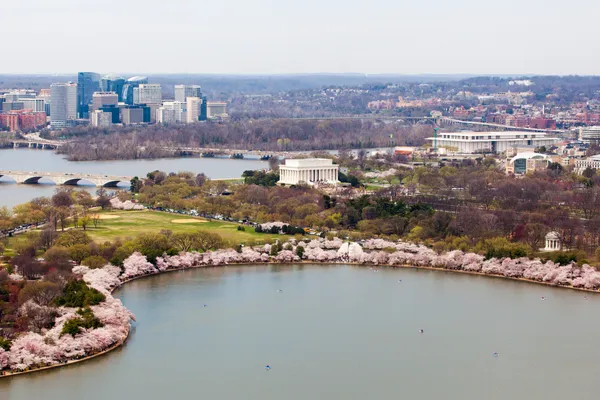
Washington’s cherry blossoms are expected to reach peak bloom between March 29 and April 1, 2026. Peak bloom is defined as the point when 70% of the blossoms on the Yoshino cherry trees around the Tidal Basin are open. The wider blooming period begins several days before peak bloom and can extend up to roughly two weeks, but wind, rain, frost or unseasonably high temperatures can shorten it.
Once peak bloom begins, blossoms typically remain on the trees for about seven to 10 days, though conditions can shift quickly. Forecasts are inherently weather-dependent and can change as spring temperatures fluctuate.
Where to go: the Tidal Basin and beyond
The Tidal Basin remains the focal point for most visitors, with the Yoshino cherry as the predominant variety. The trees frame a loop of memorials and viewpoints, including the Jefferson Memorial area and paths near the Franklin Delano Roosevelt Memorial and Martin Luther King, Jr. Memorial. The National Park Service also notes Yoshino cherries beyond the Basin, including East Potomac Park and the Washington Monument grounds.
Along the Tidal Basin loop, several established stops are frequently used by visitors as reference points, including the Japanese Lantern and the site of the first 1912 plantings. The Park Service also identifies an “indicator tree” that tends to bloom about a week earlier than most cherries, serving as an early signal that peak period may be approaching.
Timing strategies to manage crowds
Any time of day can offer strong viewing, but crowd levels vary sharply. Weekdays often bring lighter foot traffic than weekends. Early morning and late afternoon to early evening can also be less congested than midday during the busiest bloom days.
Visitors should expect the heaviest demand during the peak window and on weekends, particularly when weather is mild.
Getting around: practical considerations near the Basin
The Tidal Basin area is heavily pedestrian during bloom season, and walking is often the most predictable way to move between viewing points. Visitors should plan for slower travel times, periodic path bottlenecks, and limited curb access close to the water. Building extra time into schedules can help reduce missed transit connections and long waits near major memorial entrances.
Visitor etiquette and tree protection
The cherry trees are living landscape features maintained year-round by professional arborists. During blossom season, basic protective behaviors help reduce damage and extend tree health.
- Stay on paved paths and avoid climbing branches for photos.
- Do not pick blossoms or break off twigs.
- Keep clear of fenced or roped-off areas intended to protect roots and shoreline work zones.
- Dispose of trash properly and avoid placing items on low limbs.
Festival season context
The National Cherry Blossom Festival traditionally begins on the first day of spring and runs for about four weeks, aiming to align with bloom conditions. In 2026, the peak bloom forecast falls within the festival’s spring programming window, which is designed to accommodate natural variability while concentrating major public activity around the most likely viewing period.
For visitors planning a trip around a specific day, the best approach is to keep schedules flexible and monitor bloom-stage updates as the forecast window approaches.