How immigration enforcement and federal raids became a central issue in Washington’s Free America Walkout protests
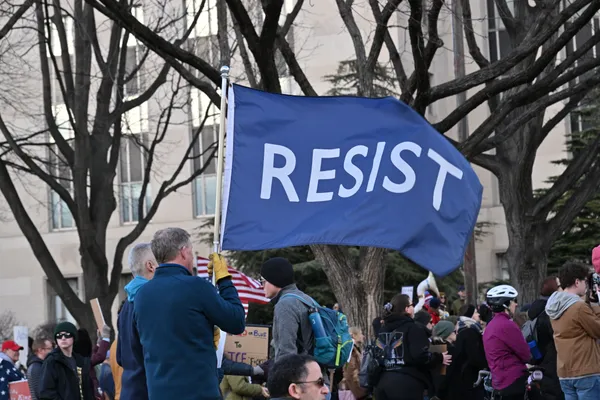
Walkouts return to Washington amid heightened immigration enforcement
Walkout-style protests have re-emerged in Washington, D.C., as part of a nationwide “Free America Walkout” planned for Tuesday, January 20, 2026—timed to the one-year anniversary of President Donald Trump’s second inauguration. Organizers called for participants to leave workplaces and schools and to pause routine commerce during coordinated actions set for 2 p.m. local time.
In the District, several events were scheduled throughout the day, including a march routed around the White House area and a separate action centered on delivering petition signatures to the Department of Homeland Security headquarters. Another D.C.-area gathering in Georgetown was also scheduled later in the afternoon.
Why immigration enforcement is driving participation
Immigration enforcement has become a primary mobilizing issue for many participants, with organizers emphasizing opposition to federal detention and deportation practices and what they describe as raids affecting local communities. The D.C. actions were framed as both symbolic and procedural: symbolic in the form of coordinated absences from daily routines, and procedural in the form of direct engagement with federal agencies through petitions and in-person deliveries.
The walkout’s focus on immigration is not limited to Washington. The national organizing language for the event explicitly referenced Immigration and Customs Enforcement activity, along with other federal actions, as a reason for coordinated nonparticipation.
A national backdrop: protests after a fatal shooting in Minneapolis
The January 20 demonstrations followed nationwide controversy surrounding the January 7, 2026 shooting death of Renée Nicole Good in Minneapolis by an ICE officer. The incident triggered protests and intensified scrutiny of federal operations, including public demands from some local officials in Minnesota that ICE be removed from the city.
At a White House press briefing on January 20, Trump addressed the Minneapolis unrest and defended ICE while acknowledging that mistakes can occur. His remarks came as protests and organizing activity continued across multiple cities, including Washington.
Washington’s protest repertoire: from marches to “withdrawal” actions
Washington has long served as a focal point for national protest movements, and the renewed emphasis on walkouts reflects a tactical shift from mass rallies alone toward coordinated “withdrawal” actions—leaving work, school, and commercial activity at set times. Similar approaches have appeared in earlier immigration-related protests nationwide, including “Day Without Immigrants” actions and other demonstrations intended to highlight the economic and civic role of immigrant communities.
- Coordinated walkouts were scheduled for 2 p.m. local time on January 20, 2026.
- D.C. events included a White House-area march and a planned delivery of petition signatures to DHS.
- Immigration enforcement and federal raid activity were repeatedly identified as central motivations for participation.
The day’s actions combined public demonstrations with targeted engagement at federal institutions, reflecting how immigration enforcement has become a primary driver of walkout participation in Washington during the administration’s first year back in office.