How 29 states and Washington, D.C. are diverging from narrowed federal childhood vaccine guidance
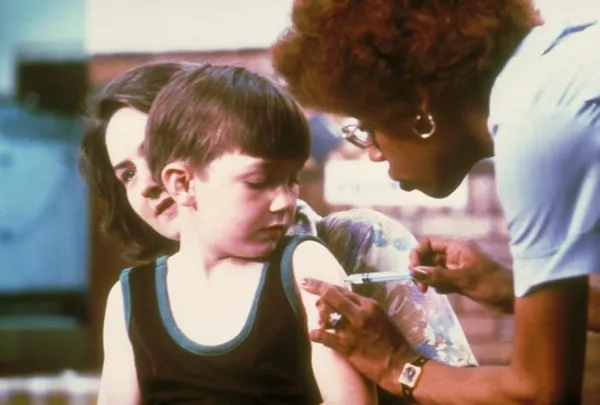
Growing state divergence after federal childhood vaccine guidance narrowed in early 2026
Twenty-nine states and the District of Columbia are no longer fully aligning their immunization policies with updated federal childhood vaccine guidance issued in January 2026, reflecting a widening split between Washington’s public health recommendations and state-level decision-making.
The shift followed an overhaul of the U.S. childhood immunization schedule that reduced the list of vaccines recommended for all children. Under the updated federal approach, vaccination against several diseases was moved from routine recommendation to categories that depend on risk status or “shared clinical decision-making” between families and clinicians. The change applied immediately and altered how pediatric immunization guidance is presented nationwide.
What changed in the federal schedule
The revised federal schedule narrowed routine, universal recommendations while emphasizing individualized decisions for a group of immunizations. Federal health officials framed the move as an alignment with practices in other developed countries and as a means to strengthen transparency and informed consent. The practical effect was that some vaccines previously recommended broadly for children are now recommended primarily for higher-risk groups or based on clinician-family discussions.
How states are responding
States have broad authority over public health implementation, including school-entry immunization requirements and, in many cases, insurance rules for state-regulated plans. In response to the federal change, a growing number of states have chosen to rely on alternative frameworks, including earlier federal schedules, state-developed recommendations, and guidance maintained by major pediatric and medical organizations.
Two multi-state coalitions illustrate the trend toward regional coordination outside federal channels. In the West, the West Coast Health Alliance has issued immunization recommendations for the 2025–26 respiratory virus season, covering COVID-19, influenza, and RSV. In the Northeast, a separate collaborative has announced plans to continue using pediatric medical guidance rather than the updated federal schedule.
Implications for families, clinicians, and coverage
Clinical decision-making: The federal reclassification of certain vaccines increases reliance on provider counseling and individualized assessment, which can change how immunizations are offered and documented.
Policy variation: With many states choosing different reference points for recommendations, families moving across state lines may encounter different messaging, availability pathways, or school documentation expectations.
Insurance and access: Some states have taken steps to preserve no-cost access for recommended vaccines through state insurance rules, even if federal recommendations narrow, while others rely on voluntary insurer policies or existing coverage practices.
The unfolding state-by-state response underscores how vaccine recommendations, while national in branding, can function as a patchwork in practice when states select different standards for public guidance, pharmacy access, and coverage policy.
What to watch next
Public health agencies and health systems are now navigating a period in which federal guidance, state policy, and professional medical schedules may not match. Further state legislative actions, additional regional guidance, and insurer coverage decisions are expected to determine how consistently vaccines are offered and paid for across the country through the next respiratory virus season and beyond.