Former FBI Director Robert Mueller Dies at 81, Closing a Defining Era in Federal Law Enforcement
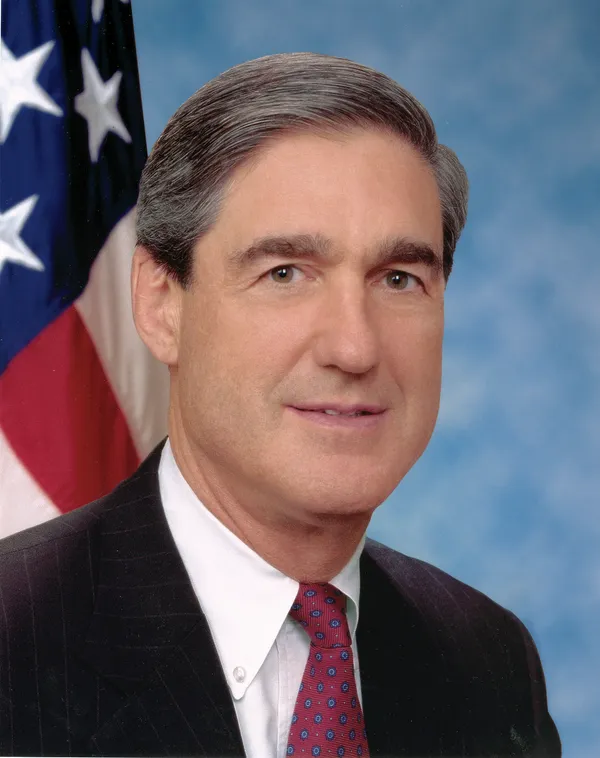
Mueller’s death follows years out of the public eye after leading the FBI through 9/11 and later the Russia inquiry
Robert S. Mueller III, the former director of the Federal Bureau of Investigation who led the bureau for 12 years after the Sept. 11, 2001, attacks and later served as special counsel in the investigation into Russian interference in the 2016 election, has died. He was 81.
Mueller served as FBI director from Sept. 4, 2001, to Sept. 4, 2013, a tenure that included the immediate post-9/11 overhaul of counterterrorism operations and a broader shift toward intelligence-driven law enforcement. He remained in the position beyond the bureau’s traditional 10-year term after receiving a rare extension.
Mueller returned to the national spotlight in May 2017, when he was appointed special counsel to oversee the Justice Department’s investigation into Russian election interference and related matters. His office’s work culminated in a report delivered in March 2019 that documented extensive Russian efforts to influence the election and examined contacts between individuals associated with the Trump campaign and Russian-linked actors. The investigation also produced a series of criminal cases, including prosecutions and guilty pleas involving several Trump associates for offenses such as false statements and other crimes uncovered during the inquiry.
A career spanning military service, federal prosecution, and crisis-era leadership
Mueller, a former U.S. Marine who served during the Vietnam War, built a career that moved between federal prosecution and senior Justice Department roles before his appointment to lead the FBI. In the years after 9/11, his leadership was closely tied to the bureau’s push to prevent terrorist attacks while maintaining its traditional crime-fighting mission—an institutional balancing act that shaped internal priorities, staffing, and investigative focus for more than a decade.
FBI Director: 2001–2013, including leadership through the post-9/11 restructuring of counterterrorism operations.
Special Counsel: 2017–2019, overseeing the federal investigation into Russian interference in the 2016 election and related issues.
Reactions highlight enduring political divisions
Mueller’s death prompted sharply divergent reactions that reflected the lasting political impact of the special counsel investigation. Former President George W. Bush, who nominated Mueller to lead the FBI, issued a statement expressing sadness and praising Mueller’s public service and his efforts to reshape the bureau’s mission in a period of national crisis.
Mueller’s public career placed him at the center of the U.S. government’s response to two defining events: the September 2001 attacks and the political and national security fallout from the 2016 election.
At the same time, President Donald Trump publicly reacted to Mueller’s death with a derogatory social media message, underscoring the continuing polarization surrounding the Russia investigation years after it concluded.
In recent years, Mueller had largely remained out of public view as questions periodically resurfaced about his health and capacity for public testimony in connection with congressional inquiries. His death closes the public chapter on a figure whose tenure helped redefine the FBI’s post-9/11 identity and whose later investigative role became a touchstone of modern American politics.