Federal Reserve Chair Jerome Powell to attend Supreme Court arguments in dispute over Governor Lisa Cook’s removal
Powell’s appearance underscores stakes for Fed governance and executive authority
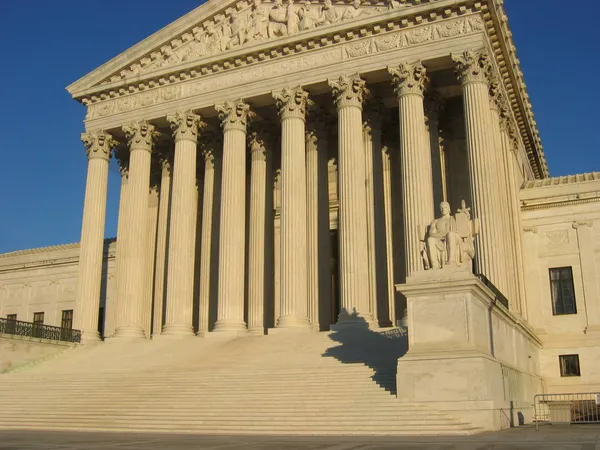
Federal Reserve Chair Jerome Powell is expected to attend U.S. Supreme Court oral arguments on Wednesday, January 21, 2026, in a closely watched case testing whether President Donald Trump can remove Federal Reserve Governor Lisa D. Cook. The chair’s presence at arguments is an unusual step for a sitting Fed leader and comes amid heightened scrutiny of the central bank’s independence and governance.
The case, titled Trump v. Cook (docket 25A312), centers on Trump’s August 25, 2025 attempt to remove Cook from the seven-member Board of Governors. Cook took office in May 2022 and was reappointed in 2023 for a term scheduled to run through January 31, 2038.
What the Supreme Court is being asked to decide now
The Supreme Court is reviewing emergency requests tied to lower-court orders that blocked Cook’s removal while litigation proceeds. The justices are weighing whether to stay an injunction that prevents the removal from taking effect, an interim decision that could shape the practical balance of power while the underlying legal issues remain unresolved.
At the center of the dispute are two related questions: what qualifies as “for cause” under the Federal Reserve Act’s removal protections for governors, and what procedures, if any, must precede a removal decision affecting a sitting governor.
- Cook has argued that her attempted removal violated statutory limits and procedural protections.
- The administration has contended that the president has authority to remove a Fed governor under the circumstances presented.
Background: the lower-court rulings and the “for cause” standard
After the August 2025 removal attempt, Cook sought emergency relief in federal court in Washington. A district judge entered an injunction keeping her in office, and a federal appeals court in the D.C. Circuit declined to lift that order. The Supreme Court later deferred action on the administration’s request to set aside the injunction until after oral argument.
The dispute focuses on whether the president’s stated grounds satisfy the law’s “for cause” limitation and whether due process requirements apply before a removal can take effect.
Why the case matters beyond one seat on the Board
The Federal Reserve’s structure is designed to insulate monetary policy from day-to-day political pressure, while still keeping the institution accountable through appointments, Senate confirmation, and statutory limits. A Supreme Court decision altering how “for cause” removal is applied to Fed governors could affect the stability of long-term terms on the Board and influence expectations about continuity in interest-rate setting and financial regulation.
Powell’s planned attendance places the central bank’s leadership visibly near a legal confrontation that could redefine the boundaries between the White House and an institution central to economic policymaking.