Federal Effort Targets Washington’s Automated Traffic Cameras, Raising Safety Enforcement and Budget Questions for District Leaders
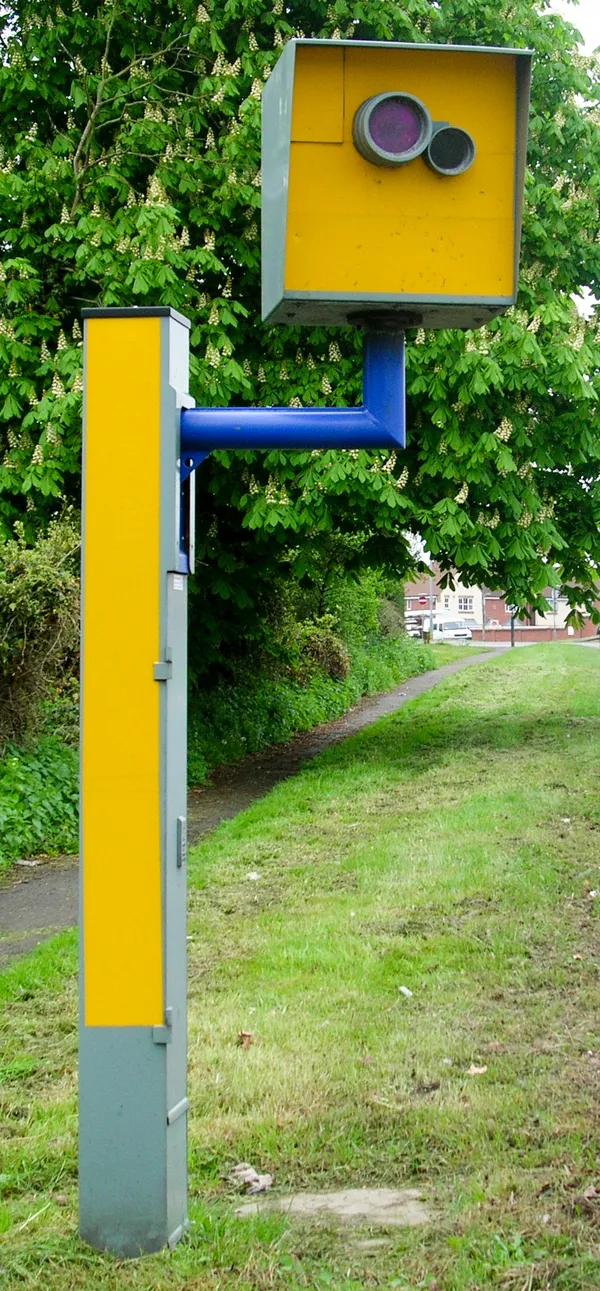
Federal proposal would bar automated enforcement in the District
The U.S. Department of Transportation has been evaluating a policy option that would prohibit automated traffic camera enforcement in Washington, D.C., a step that would affect the District’s network of speed, red-light and stop-sign cameras. Public statements from federal officials indicate the matter remains under internal review and that no final decision has been announced.
The debate arrives as Congress considers transportation and spending legislation that could set conditions on the District, where federal law already gives lawmakers significant leverage over local governance.
How large the camera program is—and what it produces
Automated traffic enforcement has become the dominant mechanism for issuing moving-violation citations in the District. Local budget documentation shows that in 2022 more than 95% of roughly 1.4 million traffic tickets were issued by automated systems, generating nearly $113 million in fines. Over time, the program has expanded significantly, with city and media reporting placing the number of active enforcement cameras in the mid-hundreds.
In addition to enforcement volume, the program represents a meaningful revenue stream in the District’s financial planning. Public reporting citing the Office of the Chief Financial Officer describes collections rising from $139.5 million in fiscal year 2023 to $213.3 million in fiscal year 2024 and $267.3 million in fiscal year 2025.
- Primary uses: speed, red-light and stop-sign enforcement
- Operational model: citations mailed to vehicle owners based on camera-captured violations
- Scale: hundreds of cameras citywide, with continuing expansion plans discussed in recent budget materials
Safety rationale and evidence from local data
The District has long framed camera enforcement as part of its Vision Zero approach to reducing traffic deaths and serious injuries. City traffic-safety communications describe automated enforcement as one element alongside engineering changes and targeted interventions on corridors where severe crashes are more likely.
Local data summarized in public reporting has indicated sizable declines in speeding on corridors after camera activation, including locations where citations dropped sharply over time. District leaders have also publicly pointed to year-over-year reductions in traffic fatalities and serious injuries when arguing for continued camera use, though multiple factors can influence those trends.
Due process, equity and the revenue debate
Opponents have argued that automated enforcement functions as a revenue generator and raises due-process concerns because citations are linked to vehicle ownership rather than a verified driver at the time of a violation. Supporters respond that predictable, technology-driven enforcement can deter high-risk behavior and reduce reliance on traffic stops.
The issue also intersects with equity debates: who receives citations, the ability to pay fines, and how enforcement is distributed across neighborhoods and commuting patterns.
With no final federal action announced, the District faces uncertainty over whether a central pillar of its traffic enforcement strategy—and a major budget line—could be curtailed through congressional or administrative action.