Fatal Suitland Parkway crash leaves motorcyclist dead, prompts renewed focus on corridor safety and enforcement
What happened
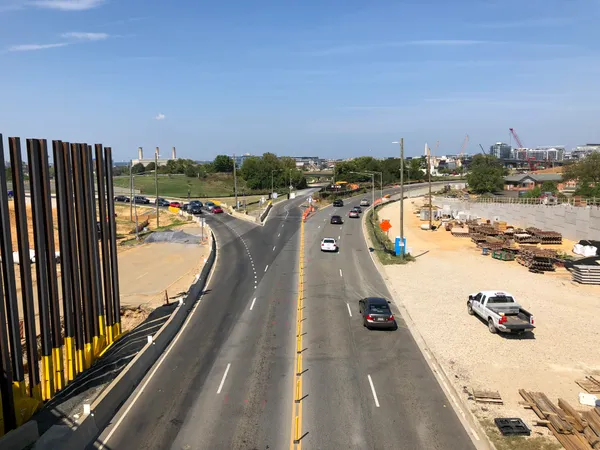
A motorcyclist was killed in a crash on the Suitland Parkway, a limited-access roadway linking Southeast Washington with Prince George’s County, Maryland. The collision led to an emergency response and a temporary disruption of traffic as investigators worked to document the scene and notify next of kin.
Authorities treated the incident as a fatal traffic investigation, collecting physical evidence, reviewing roadway conditions, and assessing whether speed, impairment, mechanical failure, or driver behavior contributed. As is standard in fatal-crash probes, investigators also sought potential video and eyewitness accounts to clarify the sequence of events.
Why Suitland Parkway cases can be complex
Suitland Parkway runs through a patchwork of jurisdictions and is federally owned and managed as part of the National Park Service roadway system. That geography can place response and investigative responsibilities on different agencies depending on the exact location of a crash, whether the event occurred within the District or in Maryland, and whether the incident involves adjacent local roads, ramps, or crossings.
In past serious incidents along the corridor, investigations have involved specialized crash units and reconstruction work to determine point of impact, direction of travel, and whether a vehicle crossed the median or left the roadway before a collision. Those technical determinations often influence any enforcement decisions and potential charges, as well as insurance and civil liability outcomes.
Broader context: a corridor with recurring severe crashes
Serious and fatal crashes have occurred on Suitland Parkway over many years, including multi-vehicle collisions and crashes involving roadway departures. The roadway’s design—higher speeds, limited access, and narrow margins for error—can increase the severity of outcomes when riders or drivers lose control or when vehicles collide at speed.
Motorcyclists face heightened vulnerability in any high-speed crash because the rider is less protected than occupants of passenger vehicles. Even when a motorcycle crash involves a single vehicle, impact forces and secondary collisions can prove fatal.
What investigators typically examine in motorcycle fatalities
- Precise crash location and lane configuration, including curves, ramps, and median barriers
- Evidence of braking, evasive maneuvers, or loss of traction
- Vehicle speeds inferred from scene measurements and electronic data when available
- Lighting and visibility conditions, including sun angle and weather
- Helmet use and other protective equipment, when relevant to injury mechanisms
- Potential impairment or distraction indicators for any involved drivers
Fatal-crash investigations can take weeks or longer, particularly when reconstruction work, laboratory testing, or multi-agency coordination is required.
What comes next
Investigators are expected to complete a reconstruction and finalize findings after reviewing all available evidence. Any enforcement actions, if warranted, would generally follow that process. In the meantime, transportation and public-safety officials commonly reiterate basic precautions for the corridor: maintaining safe following distances, avoiding abrupt lane changes, and adjusting speed to roadway conditions—especially where merges, curves, and congestion change quickly.
The motorcyclist’s death adds to the region’s ongoing tally of severe roadway incidents and underscores the stakes of safety on a parkway that carries daily commuter traffic across multiple jurisdictions.