FAA ground stops at DCA, IAD and BWI triggered by chemical odor at Potomac TRACON facility
What happened and when
Flight arrivals were temporarily halted on Friday, March 13, 2026, at Ronald Reagan Washington National Airport (DCA), Washington Dulles International Airport (IAD) and Baltimore/Washington International Thurgood Marshall Airport (BWI) after a strong chemical odor disrupted operations at a key federal air traffic control facility serving the region. The stoppage was implemented during the early evening peak travel period and was lifted later that night, though delays continued after flights resumed.
The air traffic disruption extended beyond the three primary Washington-area commercial airports. Richmond International Airport (RIC) also experienced a halt in flights during the same event window, reflecting the broad operational footprint of the affected air traffic control facility.
Why the FAA issued the ground stops
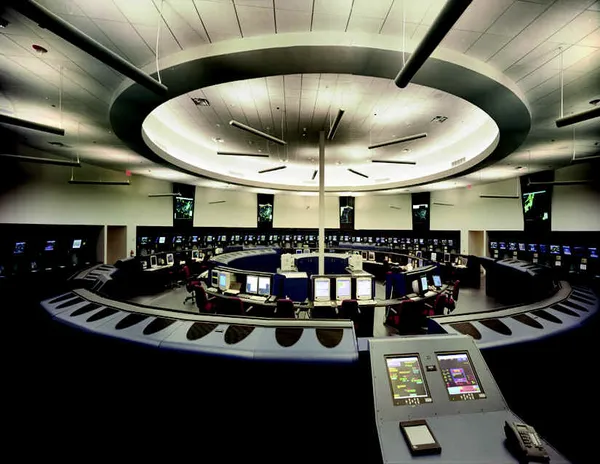
The operational trigger was a “strong chemical smell” reported at the Potomac Consolidated Terminal Radar Approach Control (TRACON), commonly referred to as Potomac TRACON. The facility provides radar approach services and manages aircraft sequencing in busy, complex airspace that includes the Washington-Baltimore region and portions of Virginia.
When a TRACON experiences a disruption that affects controller staffing or working conditions, air traffic flow managers can implement traffic management initiatives—including ground stops—to maintain separation standards and reduce congestion while the facility’s ability to manage arrivals is constrained.
How ground stops affect passengers
A ground stop is a traffic management action that temporarily prevents aircraft destined for an airport from taking off from their origin airports. While a ground stop primarily targets arrivals, it can quickly cascade into other impacts:
Departure delays as gates remain occupied by inbound aircraft that cannot arrive on schedule.
Aircraft diversions to alternate airports when holding fuel margins become a concern.
Crew and aircraft mispositioning, increasing the risk of cancellations later in the day.
Extended delays that persist after restrictions are lifted due to backlog and congestion recovery.
Duration and recovery
Flights began moving again later Friday evening after the ground stops were lifted, but the region’s air traffic system required additional time to stabilize. Travelers experienced residual delays into the late evening as airlines and air traffic managers worked through accumulated demand and repositioned aircraft and crews.
What remains unresolved
Publicly available FAA statements described the cause as an odor affecting some controllers, but detailed information about the source of the smell, any facility evacuation measures, and any resulting impacts to staffing levels or equipment availability were not immediately detailed in initial public communications.
For travelers, the event underscored how disruptions at a single air traffic control facility can rapidly affect multiple airports across the Washington-Baltimore-Richmond corridor.
Airlines continued to advise passengers to monitor flight status updates and to confirm rebooking options where connections were missed or where late-evening aircraft rotations could not be completed.