District Releases Long-Withheld Congestion Pricing Study, While Bowser Administration Calls Methodology And Assumptions Flawed
Study released five years after funding decision
The District government on March 10, 2026 published a long-awaited “decongestion pricing” study examining whether Washington, D.C. should charge drivers to enter or travel within parts of downtown. The release follows a multi-year delay after the D.C. Council voted in 2019 to fund the work and the analysis was completed in 2021.
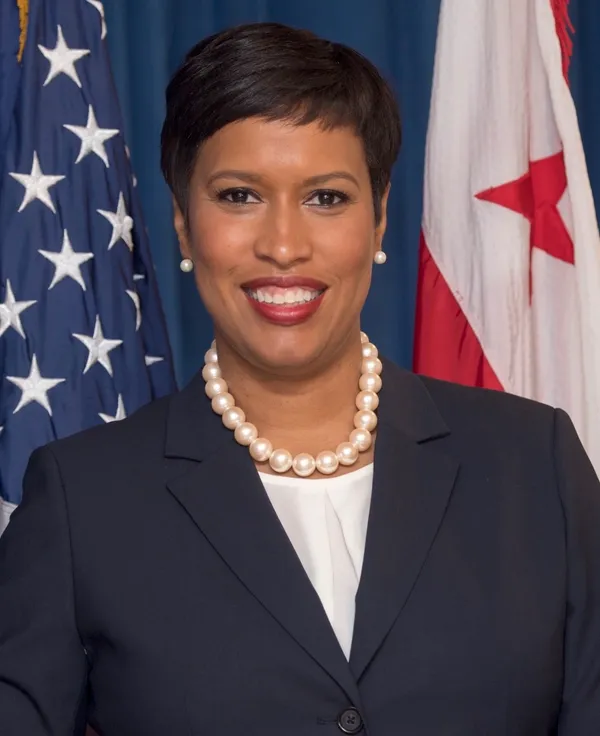
Alongside the report, Mayor Muriel Bowser sent the Council a letter stating that the administration’s publication of the study should not be read as an endorsement of the report or of congestion pricing. The mayor characterized the study as “deeply flawed,” citing both methodological issues and what her office described as outdated assumptions about commuting patterns after the pandemic-era shift toward remote and hybrid work.
What the report studied and how it framed the policy
The published report evaluates congestion pricing as one potential tool among broader transportation equity and sustainability strategies. It assesses the transportation system in terms of access, affordability, and convenience for residents, workers, and visitors, and it discusses safety and health considerations tied to traffic volumes and roadway conditions.
The report’s executive summary argues that an “equitable roadway pricing system” can reduce congestion, improve network efficiency, improve air quality, reduce crashes, generate revenue for transit, and encourage shifts to non-driving modes. The document also acknowledges historic and structural inequities in the region and discusses how pricing policy can create uneven burdens without targeted mitigations.
Key points raised by the mayor’s office
In her March 10 letter, Bowser said the study relied on pre-pandemic data for traffic volumes, downtown commuter populations, and Metrorail ridership, and that those inputs are not aligned with current conditions. The letter also objects to what it describes as foundational assumptions in the modeling, including expectations of persistent, high-volume downtown commuting and limited alternatives to traveling into the central business district.
The mayor also framed congestion pricing as a poor fit for the District’s current downtown economic conditions, arguing that adding a new charge to drive downtown would conflict with efforts to support downtown recovery, at a time when office attendance and related foot traffic remain below pre-2020 patterns.
Elements the study highlights for designing a pricing system
Geography and zone design: the report models “downtown study areas” and evaluates how different boundaries change who pays and who benefits.
Equity measures: the report discusses exemptions and targeted relief, including options focused on low-income workers, and notes the potential for disproportionate burden even when the affected population is numerically small.
Expected behavioral response: the analysis considers how price signals could reduce vehicle trips and influence mode choice, with implications for travel times and transit demand.
Use of revenues: the report presents congestion pricing partly as a funding mechanism, particularly for transit improvements.
The release establishes an official record of assumptions and modeling choices that can be scrutinized publicly, while leaving open the larger policy question of whether any future congestion-pricing proposal would require a new, post-pandemic analysis.
What happens next
The administration stated it does not plan further analysis toward implementing a congestion charge. Any move toward congestion pricing would therefore likely shift to the D.C. Council and future administrations, with debates expected to focus on updated travel data, the economic effects on downtown, coordination with regional jurisdictions, and whether exemptions or credits could address equity concerns.