DC Water Says Potomac Interceptor Rupture Pipe Had Been Flagged for Repairs Before January Collapse
A major sewer line failure triggered weeks of emergency work and public health advisories along the river corridor.
A collapse in a major regional sewer line on January 19, 2026, sent a large volume of untreated wastewater into the Potomac River near the Clara Barton Parkway in Montgomery County, Maryland, prompting an emergency bypass operation and an extended repair effort. The failure occurred in the Potomac Interceptor, a decades-old pipeline that carries wastewater from parts of Maryland and Virginia to the Blue Plains Advanced Wastewater Treatment Plant in the District.
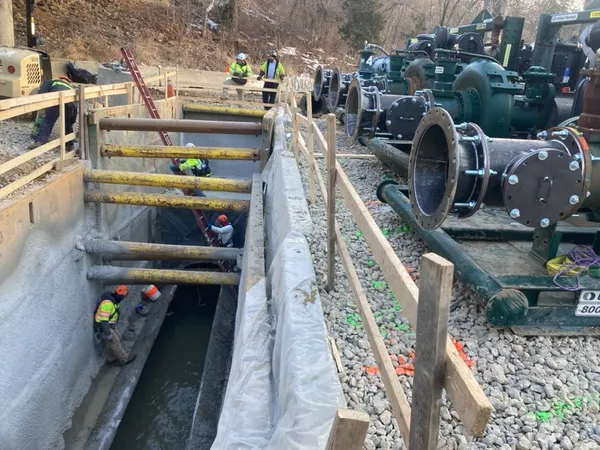
DC Water officials have said the pipeline segment that failed was part of an aging system already identified for rehabilitation, with work underway on nearby portions of the interceptor in recent months. In the days after the collapse, crews built a temporary bypass system to reroute wastewater around the damaged section and reduce the volume escaping into waterways that feed the Potomac.
Scale of the overflow and early containment steps
Based on flow monitoring before and after bypass pumping was activated, DC Water has estimated that roughly 243 million gallons of wastewater overflowed from the collapse site. The utility has said most of that volume occurred in the first five days following the failure, before bypass pumping significantly reduced releases.
- The collapse involved a 72-inch-diameter section of the Potomac Interceptor.
- The overflow traveled from the break area into adjacent waterways leading to the Potomac River.
- Emergency measures included installing pumps and temporary piping to reroute flows.
DC Water has also stated that the region’s drinking water system is not affected, emphasizing that drinking water intakes are upstream from the incident location and that drinking water and wastewater systems operate separately.
Repair timeline extended by blockage inside the pipe
In early February, DC Water reported that internal inspections found a substantial obstruction inside the collapsed line: a rock-and-debris blockage extending downstream from the failure. The utility said the discovery required a reassessment of the work plan and would extend the cleanup and repair timeline, including adding larger bypass pumps in a new location and stabilizing the site for heavy equipment. The updated estimate described an additional four to six weeks to put that system in place before crews can begin removing large rocks and boulders and proceed to repairs.
Public advisories have urged residents to avoid contact with posted areas along the canal and river while response work continues.
Public health guidance and monitoring
Water-quality testing has focused on bacteria indicators, including E. coli, with public health messaging centered on avoiding river contact in affected areas. Local officials have warned that recreational exposure to contaminated water can pose health risks, particularly for children and pets, while monitoring continues as conditions change with river flow and ongoing containment measures.
The incident has also drawn scrutiny because the interceptor is a federally regulated asset operating across jurisdictions. As emergency work continues, the central operational questions remain how quickly flows can be fully diverted, when excavation and permanent repair can begin, and what remediation may be required along impacted shorelines and adjacent parkland once the overflow is fully contained.